Health Impact and Long-Term Dental Benefits for Whole Family
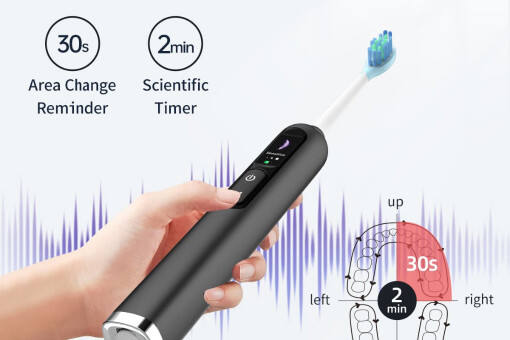
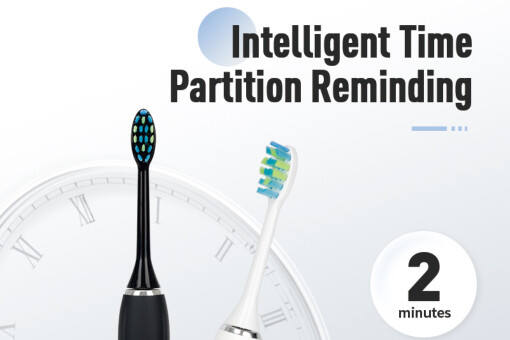
The profound health impact delivered by consistent use of a 2 minute timer for brushing your teeth extends far beyond simple compliance with dental recommendations, creating measurable improvements in oral health outcomes that protect against common dental diseases while promoting overall systemic wellness. Research consistently demonstrates that individuals who brush for the full recommended duration experience significantly lower rates of cavities, gum disease, and tooth loss compared to those with abbreviated brushing habits. The biological mechanism behind this correlation involves thorough plaque disruption, which requires adequate mechanical action over sufficient time to dislodge bacterial colonies adhering to tooth surfaces and accumulating along the gum line. Insufficient brushing duration, even with proper technique, leaves residual plaque that mineralizes into tartar within 24 to 72 hours, creating rough surfaces that accelerate further accumulation and promote inflammatory responses in surrounding gum tissue. By ensuring the full two minutes occurs twice daily, the timer helps maintain the delicate balance necessary for oral health, preventing the cascade of problems that begin with gingivitis and can progress to periodontitis, bone loss, and eventual tooth mobility. The systemic health connections prove equally compelling, as emerging research links periodontal disease to increased risks of cardiovascular conditions, diabetes complications, respiratory infections, and adverse pregnancy outcomes. Maintaining excellent oral hygiene through proper brushing duration thus contributes to whole-body wellness beyond the obvious dental benefits. For families, introducing a 2 minute timer for brushing your teeth establishes foundational health habits during childhood that persist throughout life, creating generational impacts as children who learn proper techniques early become adults with superior dental health and lower treatment costs. The psychological dimension merits consideration as well, since consistent achievement of brushing goals builds self-efficacy and health consciousness that often extends to other wellness behaviors including flossing, dietary choices, and regular dental visits. Parents modeling proper timer use demonstrate health prioritization that children internalize as normal behavior rather than optional activity. The economic implications prove substantial when considering that preventive care through adequate brushing costs virtually nothing compared to restorative treatments for cavities, crowns, bridges, or implants necessitated by inadequate home care. Insurance data reveals that individuals with excellent preventive habits require significantly fewer interventions over lifetimes, translating to thousands in avoided expenses. For elderly users or those with medical conditions affecting fine motor control, the structured guidance provided by a 2 minute timer for brushing your teeth compensates for physical limitations that might otherwise compromise cleaning effectiveness. The clear endpoint removes ambiguity about task completion, supporting independence in personal care routines. Healthcare providers increasingly recommend these simple tools as cost-effective interventions with exceptional return on investment, recognizing that patient compliance improves dramatically when concrete, achievable targets replace vague instructions. The cumulative effect of using a timer daily for years creates a remarkable difference in dental health trajectories, often meaning the distinction between maintaining natural teeth throughout life versus requiring extensive restoration or replacement. This long-term health impact represents the ultimate value proposition, transforming a modest investment into lasting wellness benefits for entire households.
 ×
×

 EN
EN