Sustainable Manufacturing Practices and Environmental Responsibility
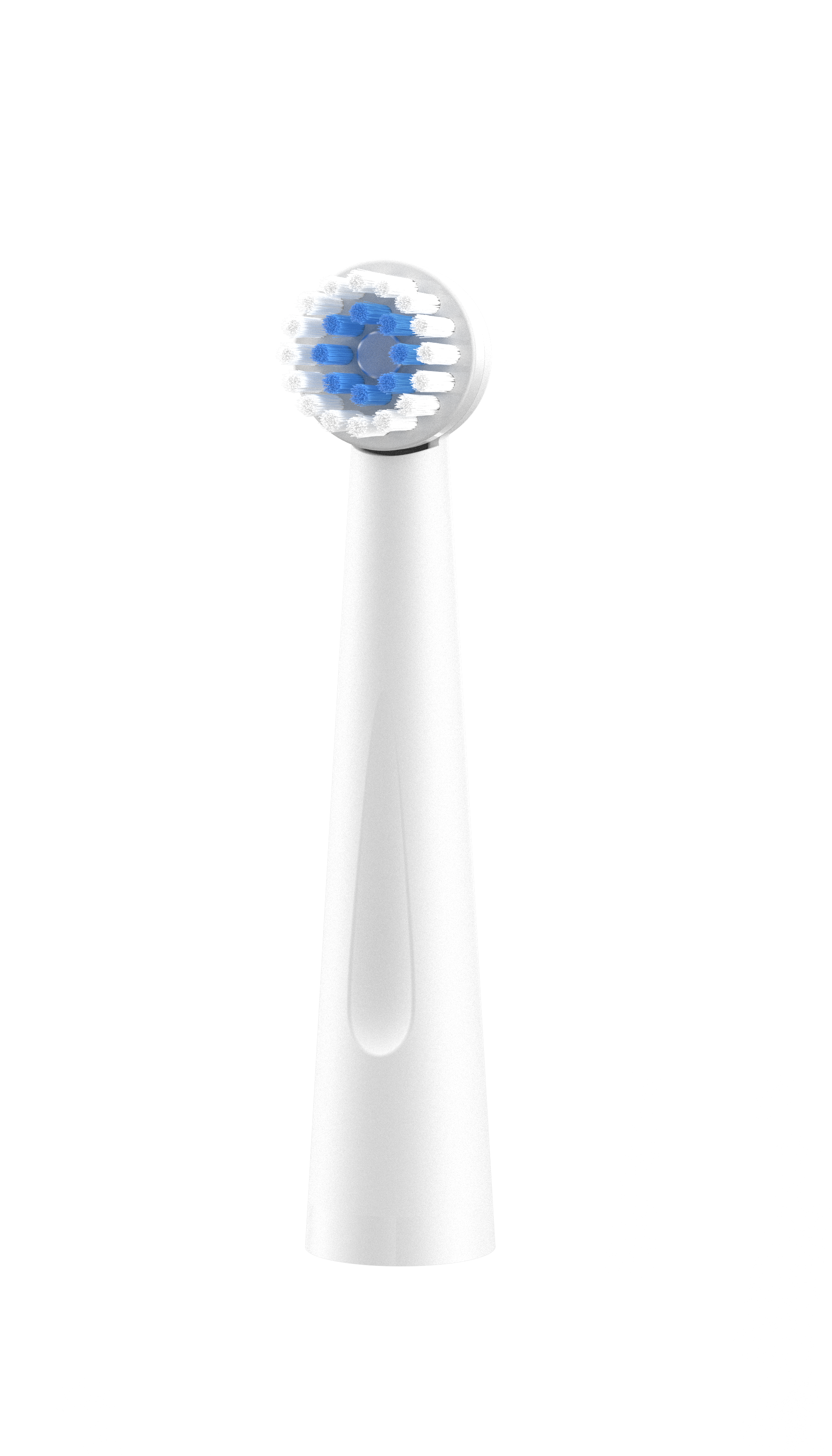
Progressive electric toothbrush heads manufacturer operations increasingly prioritize environmental sustainability and responsible manufacturing practices, recognizing both ecological imperatives and growing consumer preference for environmentally conscious products. These manufacturers implement comprehensive sustainability programs beginning with material selection, sourcing bio-based bristle materials derived from castor oil or other renewable resources rather than petroleum-based nylons, utilizing recycled plastics for brush head bases and packaging components, and developing fully biodegradable alternatives that decompose safely after disposal without releasing harmful microplastics into ecosystems. Energy-efficient production facilities incorporate LED lighting systems, high-efficiency motors and compressed air systems, heat recovery mechanisms that capture and reuse thermal energy from manufacturing processes, and renewable energy sources including rooftop solar installations or purchased green power contracts that reduce carbon footprints. Water conservation measures include closed-loop cooling systems that recycle process water, low-flow fixtures throughout facilities, and wastewater treatment systems that purify discharge to environmental standards. Waste reduction initiatives embrace lean manufacturing principles that minimize scrap generation, comprehensive recycling programs for production waste materials, and partnerships with specialized recyclers who process manufacturing byproducts into useful secondary materials. Packaging optimization reduces material usage through right-sizing, eliminates unnecessary components, replaces plastic clamshells with cardboard alternatives, and designs for efficient shipping density that reduces transportation emissions. Product longevity features including durable bristle materials, reinforced connection points, and quality construction extend brush head lifespan, reducing replacement frequency and overall consumption. Take-back programs and recycling partnerships provide consumers convenient options for responsible disposal, with some manufacturers offering prepaid return envelopes or collection point networks. Transparent sustainability reporting through environmental audits, carbon footprint calculations, and public disclosure demonstrates accountability and enables customers to make informed purchasing decisions aligned with their values. Life cycle assessments evaluate environmental impacts from raw material extraction through end-of-life disposal, identifying improvement opportunities and validating sustainability claims. Working with an environmentally responsible electric toothbrush heads manufacturer provides multiple advantages including alignment with corporate sustainability objectives, appeal to environmentally conscious consumer segments, positive brand differentiation, regulatory compliance with emerging environmental standards, and contribution to meaningful environmental protection while maintaining product quality and business viability.
 ×
×


 EN
EN