
 EN



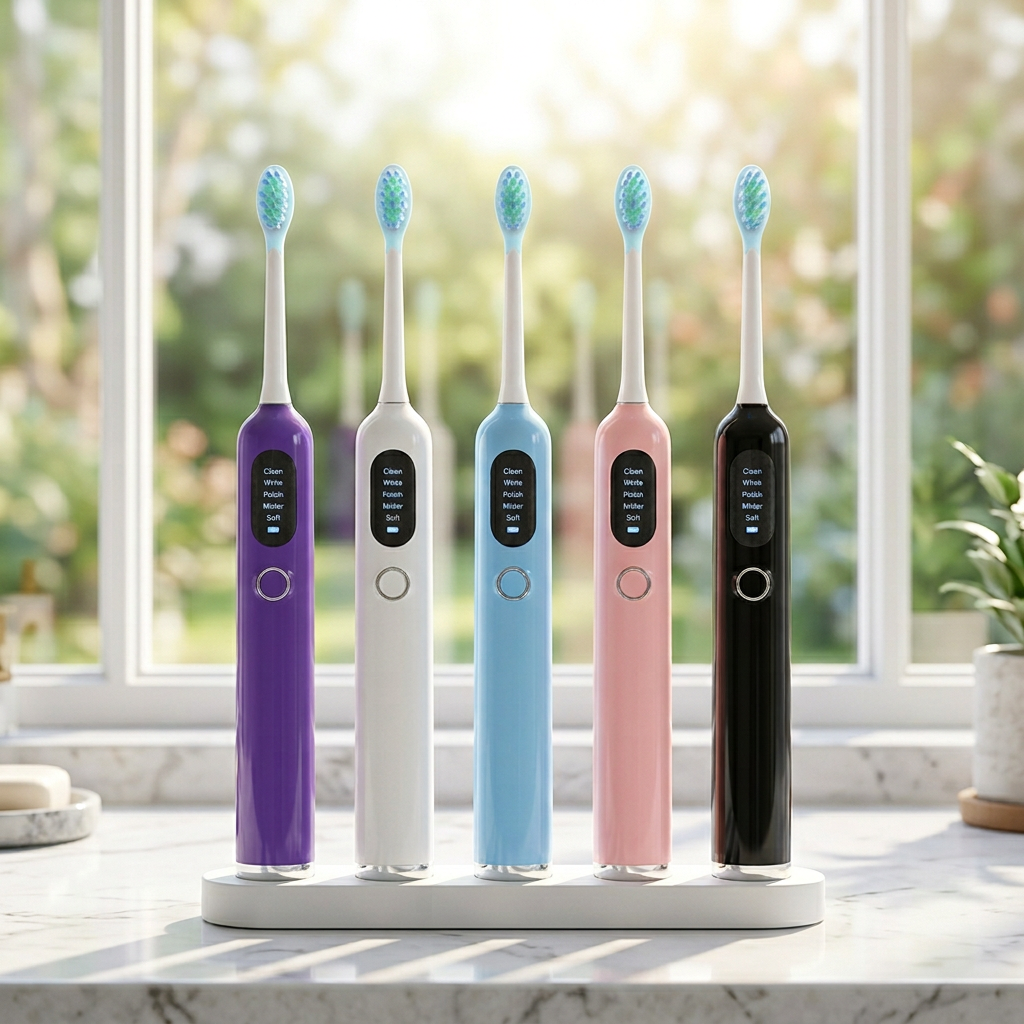
Modern oral hygiene demands both effectiveness and comfort, and the sonic electric toothbrush has emerged as a transformative solution for millions seeking superior plaque removal without aggressive brushing. Unlike traditional manual toothbrushes that rely on patient effort and pressure, a sonic electric toothbrush delivers thousands of microscopic vibrations per minute, enabling precision cleaning that reaches areas manual brushing cannot access. This technology represents a significant advancement in dental care, particularly for individuals concerned with maintaining their natural teeth while minimizing gum sensitivity and enamel wear.
The answer is unequivocally yes—a sonic electric toothbrush can dramatically improve plaque removal while maintaining a gentle brushing experience. This performance combination stems from the fundamental mechanics of sonic technology: rapid vibrations work to disrupt biofilm and plaque colonies at their foundation rather than scrubbing them away through pressure. When used correctly with proper technique, a sonic electric toothbrush provides clinical-grade cleaning efficacy while protecting gum tissue and tooth enamel, making it an ideal choice for those balancing cleaning power with oral sensitivity.
How Sonic Technology Enables Gentle Yet Effective Plaque Removal
The Mechanism Behind Sonic Vibration
A sonic electric toothbrush operates through high-frequency oscillations that typically range from 30,000 to 40,000 vibrations per minute, depending on the model and cleaning mode selected. These rapid vibrations create microscopic fluid dynamics around the bristles, generating cavitation bubbles that physically dislodge plaque particles and bacteria from tooth surfaces and below the gum line. Unlike rotational or oscillating heads that require significant pressure to be effective, a sonic electric toothbrush achieves superior cleaning results with minimal user-applied force, reducing the risk of gum recession and enamel erosion that can result from aggressive manual brushing or high-pressure electric models.
Bristle Design and Plaque Disruption
The bristle configuration of a premium sonic electric toothbrush is engineered to optimize plaque disruption while distributing pressure evenly across tooth surfaces. Soft, tapered bristles work in concert with sonic vibrations to gently separate plaque biofilm without causing trauma to delicate gum tissue. When using a sonic electric toothbrush, the bristles do not scrub aggressively; instead, they vibrate at precisely calibrated frequencies that penetrate interdental spaces and subgingival areas where conventional brushing often fails. This design philosophy ensures that a sonic electric toothbrush can remove significantly more plaque than manual brushing while feeling gentler and more comfortable throughout the cleaning process.
Clinical Evidence and Real-World Performance of Sonic Brushes
Plaque Reduction and Gum Health Outcomes
Dental research consistently demonstrates that users of a sonic electric toothbrush experience measurable reductions in plaque accumulation and improvements in gum health markers compared to manual brushing. Studies measuring plaque indices, gum bleeding, and gingivitis severity show that a sonic electric toothbrush user group achieves significantly better clinical outcomes within weeks of regular use. The gentle nature of sonic vibration means that a sonic electric toothbrush can be used effectively by individuals with sensitive gums, early periodontal disease, or those recovering from dental procedures, making it a versatile tool across diverse oral health profiles.
Long-Term Enamel Protection and Wear Prevention
One critical advantage of choosing a sonic electric toothbrush over aggressive manual or oscillating models is the protection it offers to tooth enamel during routine cleaning. Because a sonic electric toothbrush relies on vibration frequency rather than pressure to remove plaque, users naturally apply less force, reducing wear patterns that accumulate over years of daily brushing. Dental professionals recognize that a sonic electric toothbrush represents an ideal balance: it delivers professional-grade plaque removal efficacy while simultaneously minimizing the mechanical stress that can lead to enamel thinning, sensitivity, and structural damage that typically worsens with age.
Optimizing Sonic Toothbrush Technique for Maximum Plaque Removal
Proper Brushing Method and Positioning
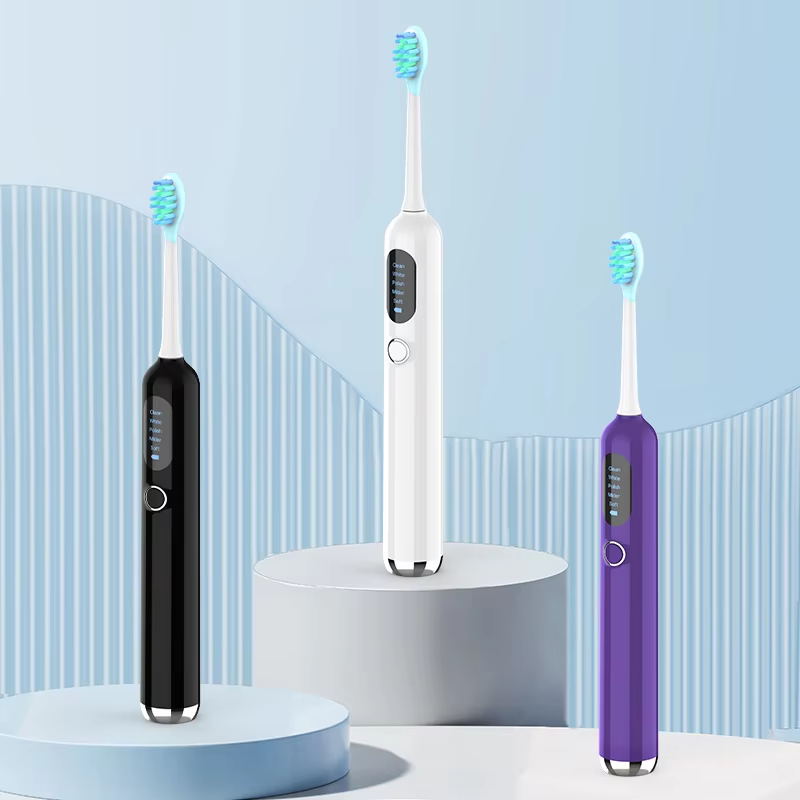
To maximize the plaque-removal benefits of a sonic electric toothbrush, users should position the brush head at a 45-degree angle to the gum line, allowing the vibrating bristles to access both the tooth surface and the critical subgingival area where plaque colonizes. Rather than applying pressure, the user should hold the sonic electric toothbrush with a light grip and let the device do the work, guiding the brush head slowly across all tooth surfaces, including the often-neglected proximal areas between teeth. Most modern sonic electric toothbrush models feature multiple cleaning modes—such as gentle, standard, massage, and whitening—allowing users to select the intensity that best suits their gum sensitivity and specific plaque-removal needs on any given day.
Duration and Frequency Considerations
Dental guidelines recommend using a sonic electric toothbrush for a full two minutes during each brushing session, with many advanced models incorporating built-in timers and 30-second zone reminders to ensure comprehensive coverage of all mouth regions. The frequency of use—twice daily, morning and evening—combined with once-daily interdental cleaning using floss or water flossers working alongside a sonic electric toothbrush, creates a robust plaque management routine. Consistent users of a sonic electric toothbrush report that the combination of daily use, gentle technique, and professional dental visits every six months yields optimal results for maintaining plaque-free teeth and healthy gums without the discomfort associated with aggressive brushing.
FAQ
Does a sonic electric toothbrush work better than manual brushing for plaque removal?
Yes, clinical studies consistently show that a sonic electric toothbrush removes significantly more plaque than manual brushing, particularly in challenging areas like the gum line and between teeth. The high-frequency vibrations of a sonic electric toothbrush create fluid dynamics that dislodge biofilm more effectively than manual scrubbing, and the consistent technique ensures uniform cleaning across all mouth areas. Most dental professionals recommend a sonic electric toothbrush for patients seeking maximum plaque removal efficacy.
Is a sonic electric toothbrush safe for people with sensitive gums?
Absolutely—a sonic electric toothbrush is often recommended specifically for sensitive gum tissue because it achieves effective plaque removal through vibration rather than aggressive pressure. Users can select gentle cleaning modes on their sonic electric toothbrush, and the light-touch application method minimizes trauma compared to manual brushing or rotational electric models. Many individuals who experience discomfort with other brushes find that a sonic electric toothbrush allows them to maintain thorough oral hygiene without pain or gum irritation.
What features should I look for in a sonic electric toothbrush?
When selecting a sonic electric toothbrush, prioritize models with multiple cleaning modes, waterproof design for shower use, a built-in two-minute timer with 30-second zone reminders, and soft, high-quality bristles designed for gentle yet effective plaque removal. Additionally, choose a sonic electric toothbrush with a rechargeable battery offering extended runtime between charges and excellent reviews confirming that the device effectively reduces plaque without causing gum sensitivity or enamel wear over time.