
 EN



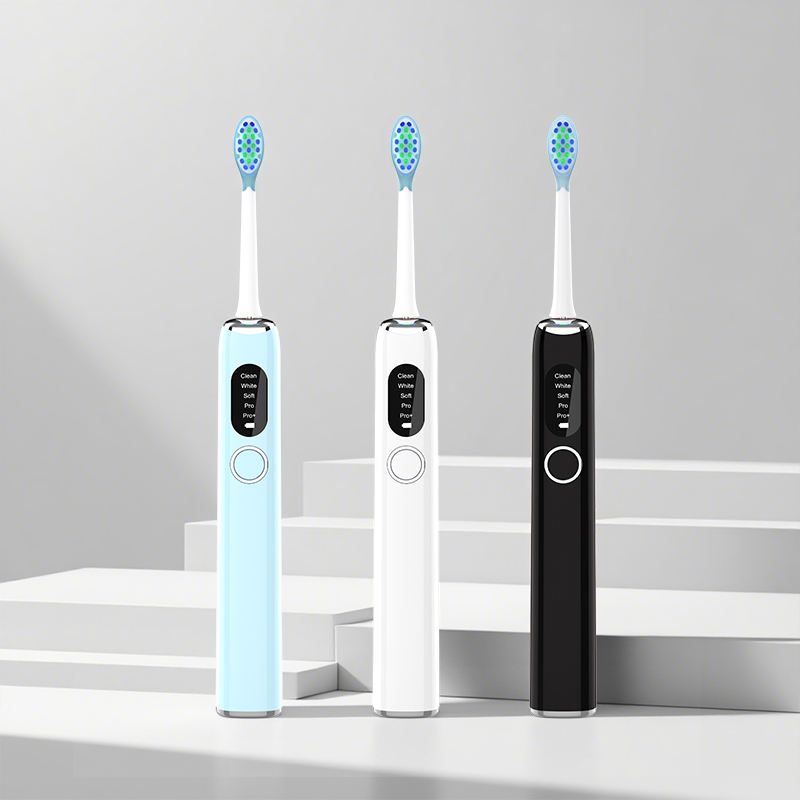
An adult electric toothbrush represents a significant advancement in personal oral hygiene technology, delivering cleaning performance that manual brushing simply cannot match. The superiority of an adult electric toothbrush lies not only in convenience but fundamentally in its mechanical design and powered cleaning action that reaches areas traditional brushing methods miss. Understanding how an adult electric toothbrush improves cleaning around difficult tooth areas requires exploring the engineering behind the bristle motion, the precision of targeted cleaning zones, and the way oscillating or rotating technology penetrates interdental spaces and subgingival regions that are typically overlooked.
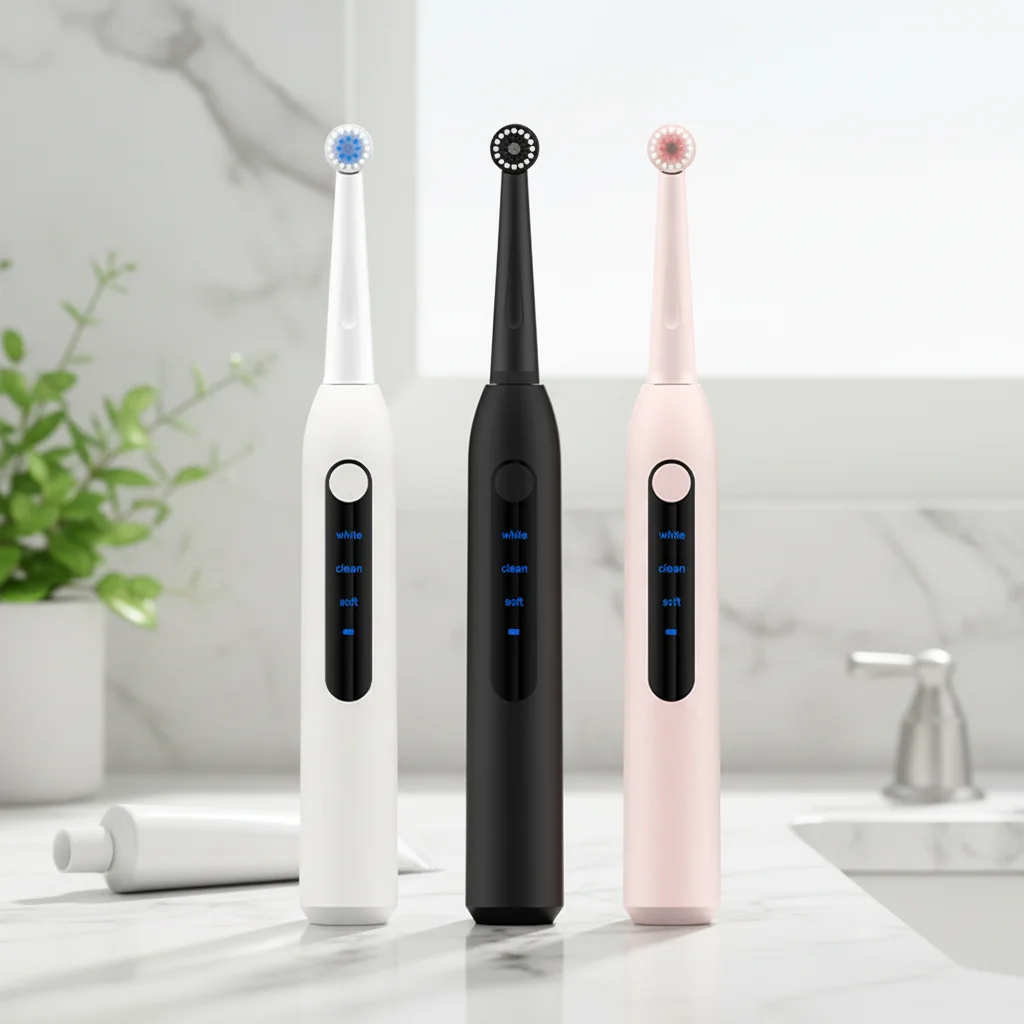
Difficult tooth areas present unique cleaning challenges in oral care routines. Spaces between teeth, the gum line, and the posterior molars require deliberate technique and appropriate tools to clean effectively. An adult electric toothbrush solves these challenges through advanced bristle motion technology that generates thousands of strokes or rotations per minute, far exceeding what manual hand movement can achieve. This enhanced mechanical action allows an adult electric toothbrush to dislodge plaque biofilm, food particles, and bacterial colonies from areas where conventional brushing leaves debris behind.
Oscillating and Rotating Bristle Technology
How Bristle Motion Reaches Interdental Spaces
The core mechanism of an adult electric toothbrush operates through either oscillating or rotating bristle patterns that generate rapid micro-movements. An adult electric toothbrush with oscillating technology typically vibrates the bristles back and forth at frequencies ranging from 2,000 to 6,000 oscillations per minute, creating a scrubbing motion that penetrates deep into the spaces between teeth. This rapid motion of an adult electric toothbrush is particularly effective at dislodging plaque from areas where manual brushing leaves gaps, including the tight contact points between adjacent teeth where periodontal disease commonly initiates.
Rotating models of an adult electric toothbrush employ a different strategy, spinning the brush head in one direction at high speeds to generate centrifugal force that throws debris away from the tooth surface and gum line. The rotating action of an adult electric toothbrush creates a polishing effect while simultaneously generating pressure waves in the oral environment that help loosen plaque in difficult zones. Both technologies, when incorporated into an adult electric toothbrush design, substantially outperform manual brushing by delivering consistent, uniform bristle motion throughout the entire cleaning session without user fatigue or technique variability.
Precision Angle and Access to Posterior Molars
An adult electric toothbrush head is engineered with a compact, angled design that facilitates access to posterior molars and the distal surfaces of rear teeth where manual brushes struggle to reach effectively. The smaller bristle surface area of an adult electric toothbrush allows patients to navigate narrow openings in the mouth and position bristles precisely along the gum line, which is a critical zone for plaque removal. Because an adult electric toothbrush delivers consistent bristle motion without relying on user hand technique, patients who lack manual dexterity benefit significantly from the predictable cleaning action and enhanced access that this technology provides to previously problematic areas.
Advanced Sensing and Multi-Mode Cleaning Functions
Adaptive Pressure Detection in Modern Designs
Contemporary models of an adult electric toothbrush integrate pressure sensors that detect when users apply excessive force to delicate gum tissues and automatically modulate motor intensity to prevent gum recession and tissue damage. An adult electric toothbrush with pressure feedback technology encourages proper brushing technique by providing tactile or audible alerts, which indirectly improves cleaning effectiveness around difficult tooth areas by promoting appropriate contact angles. This intelligent adaptation of an adult electric toothbrush ensures that the bristles apply optimal cleaning force consistently across all tooth surfaces, including the vulnerable gum margins where aggressive brushing causes harm.
Multi-Mode Settings for Targeted Zone Cleaning
An adult electric toothbrush typically offers multiple cleaning modes designed for specific oral health objectives, including general cleaning, sensitive tooth care, gum massage, and whitening enhancement. These programmed modes in an adult electric toothbrush adjust bristle oscillation frequency, intensity, and duration patterns to target particular cleaning challenges in difficult tooth areas. The sensitive mode setting of an adult electric toothbrush reduces oscillation intensity specifically for managing gum line areas and root surfaces, while the standard mode maximizes plaque removal efficiency across the full dentition, allowing users to adapt their cleaning strategy based on individual oral health needs.
Superior Plaque Removal and Biofilm Control
Mechanical Disruption of Microbial Biofilm
Dental plaque exists as a complex biofilm structure containing billions of microorganisms that adhere strongly to tooth surfaces, particularly in protected areas like interproximal regions and subgingival pockets. An adult electric toothbrush generates sufficient mechanical force to disrupt this biofilm organization and dislodge bacterial colonies far more effectively than manual brushing strokes. Research indicates that an adult electric toothbrush removes approximately 21 percent more plaque from interdental areas compared to manual brushes, a difference directly attributable to the high-frequency bristle motion and consistent cleaning action throughout extended use.
The subgingival zone, which extends beneath the gum margin into the periodontal pocket, represents perhaps the most difficult tooth area to clean effectively using traditional methods. An adult electric toothbrush, when positioned at approximately 45 degrees to the tooth surface and aimed at the gum line, delivers bristle penetration into this protected zone that manual brushing rarely achieves. This enhanced subgingival cleaning capability of an adult electric toothbrush directly reduces pathogenic bacterial loads in periodontal disease risk areas, supporting both prevention and therapeutic oral health outcomes.
Consistency and Compliance in Daily Routines
An adult electric toothbrush maintains consistent cleaning performance throughout the recommended two-minute brushing session without user fatigue, muscular fatigue, or technique degradation that commonly occurs with manual brushing toward the end of sessions. This performance consistency of an adult electric toothbrush ensures that difficult tooth areas receive adequate cleaning attention even as users tire, whereas manual brushing effectiveness predictably declines as hand muscles fatigue. Additionally, an adult electric toothbrush with built-in timers encourages users to brush for medically recommended durations, indirectly improving overall cleaning effectiveness in challenging zones through extended contact time.
FAQ
Why is an adult electric toothbrush better for difficult tooth areas than a manual brush?
An adult electric toothbrush delivers thousands of high-frequency bristle movements per minute that manual hand strokes cannot replicate, generating sufficient mechanical force to dislodge plaque from tight interdental spaces, subgingival pockets, and posterior molars. The consistent, uniform motion of an adult electric toothbrush eliminates user technique variables and fatigue-related performance decline, ensuring that difficult tooth areas receive thorough, predictable cleaning throughout each session. Studies demonstrate that an adult electric toothbrush removes significantly more plaque from interproximal regions and gum line areas compared to manual brushes, directly addressing the zones where conventional brushing proves least effective.
Can an adult electric toothbrush damage gums if used incorrectly?
Modern designs of an adult electric toothbrush incorporate pressure sensors and adaptive technology that automatically reduce motor intensity when excessive force is detected, providing built-in protection against tissue damage from aggressive brushing. Proper positioning of an adult electric toothbrush at a 45-degree angle to the tooth surface, rather than perpendicular or applying heavy pressure, ensures safe yet effective cleaning around the gum margin. When used correctly, an adult electric toothbrush actually protects gum tissue better than manual brushing because consistent, moderate-force oscillation prevents the aggressive scrubbing motions that damage delicate periodontal tissues and cause recession.
How often should an adult electric toothbrush be used for optimal difficult area cleaning?
Dental professionals recommend using an adult electric toothbrush twice daily for the medically standard duration of two minutes, allowing the technology to effectively clean difficult tooth areas through extended contact time and comprehensive bristle coverage. An adult electric toothbrush should be angled toward the gum line during cleaning sessions, dedicating particular attention to posterior molars and interproximal spaces where biofilm accumulation poses the greatest periodontal disease risk. Consistent daily use of an adult electric toothbrush maintains plaque control in difficult zones, prevents biofilm reformation in protected areas, and supports long-term oral health outcomes far more effectively than sporadic or inconsistent usage patterns.