
 EN




A rotating electric toothbrush has revolutionized oral hygiene by combining advanced vibration technology with precision engineering to deliver superior cleaning performance compared to manual brushing. Understanding how a rotating electric toothbrush works reveals why dental professionals recommend this approach to patients seeking better plaque removal and gum health. The mechanics behind a rotating electric toothbrush involve rapid oscillation patterns that dislodge tartar, plaque, and debris far more effectively than hand movements alone. This technology transforms the way people approach daily dental care, making a rotating electric toothbrush an investment in long-term oral wellness.
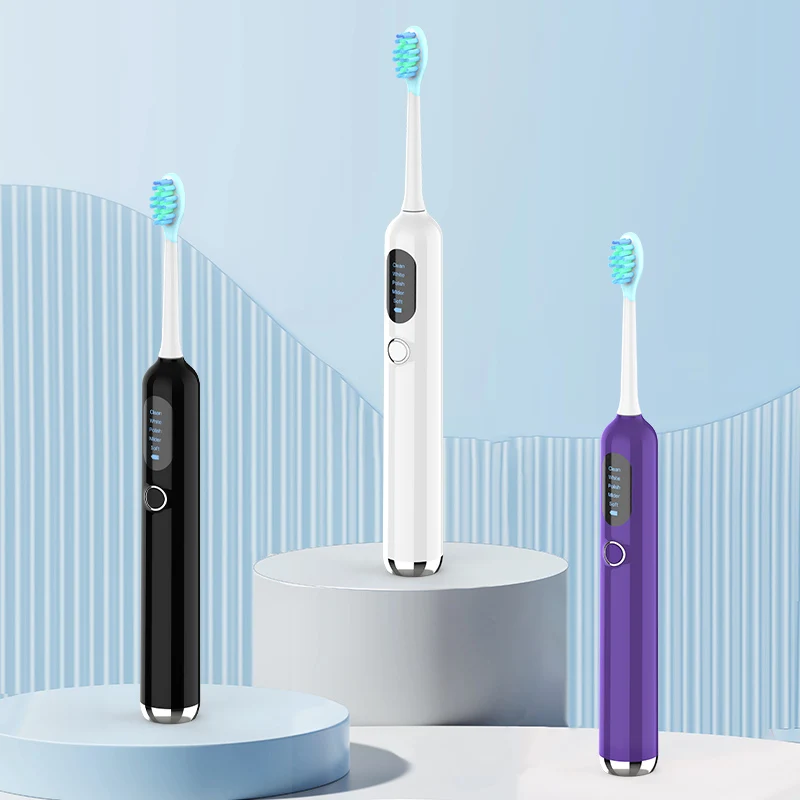
The efficient cleaning performance of a rotating electric toothbrush stems from its oscillating bristle design and sonic vibration frequency. A rotating electric toothbrush operates through a motor-driven mechanism that produces thousands of strokes per minute, far exceeding what manual brushing can achieve. The bristles of a rotating electric toothbrush move in precise patterns that access tight spaces between teeth and along the gum line where conventional brushes struggle. This systematic approach to cleaning ensures that a rotating electric toothbrush removes more biofilm and food particles, reducing the risk of cavities, gingivitis, and periodontal disease.
Oscillating Motion Technology in Rotating Electric Toothbrush Design
How Vibration Patterns Enhance Cleaning Efficiency
A rotating electric toothbrush delivers its cleaning power through rapid oscillations that operate at frequencies between 2,000 and 40,000 vibrations per minute, depending on the model and cleaning mode selected. These vibrations create a micro-cleaning action that penetrates the biofilm layer covering tooth surfaces, breaking apart plaque colonies at a microscopic level. When a rotating electric toothbrush operates at optimal frequency, each vibration cycle pushes cleaning solution or saliva deeper into interproximal spaces, areas that manual brushing rarely reaches effectively. The oscillating motion of a rotating electric toothbrush generates shear forces that dislodge particles adhered to enamel and gum tissue, promoting superior plaque removal without causing tissue damage when used correctly.
Bristle Positioning and Coverage in a Rotating Electric Toothbrush
The bristle arrangement on a rotating electric toothbrush is specifically engineered to optimize contact surface area and angle relative to tooth and gum surfaces. A rotating electric toothbrush typically features angled bristles positioned at 45 degrees to the gum line, mimicking the recommended brushing technique dental hygienists teach patients. The bristle density and grouping in a rotating electric toothbrush allow simultaneous coverage of multiple tooth surfaces, meaning each motor cycle contributes to cleaning visible surfaces and hidden areas simultaneously. This comprehensive bristle distribution ensures that a rotating electric toothbrush achieves uniform plaque removal across all tooth regions in less time than manual methods require.
Multi-Mode Functionality and Adaptive Cleaning Performance
Variable Speed Settings in a Rotating Electric Toothbrush
Modern rotating electric toothbrush models offer multiple cleaning modes that adapt vibration frequency and motion patterns to different oral care needs and tooth sensitivity levels. A rotating electric toothbrush with five cleaning modes, for example, typically includes a standard cleaning mode for general plaque removal, a sensitive mode for vulnerable gum tissue, and specialized modes for whitening, massage, or deep cleaning purposes. Each mode on a rotating electric toothbrush adjusts the motor's frequency and amplitude independently, allowing users to customize their cleaning experience based on daily requirements or specific oral health challenges. Switching between modes on a rotating electric toothbrush enables families to share a single device while maintaining personalized cleaning protocols tailored to individual tooth sensitivity and gum conditions.
Pressure Detection and Real-Time Feedback Systems
Advanced rotating electric toothbrush models incorporate pressure sensors that monitor brushing force and automatically adjust motor output to prevent gum recession and tissue trauma. A rotating electric toothbrush equipped with pressure detection technology alerts users when they apply excessive force, encouraging gentler technique and protecting soft tissue integrity. The real-time feedback from a rotating electric toothbrush helps users develop better brushing habits over time, reducing the risk of gum damage that can result from aggressive manual or electric brushing. This intelligent adaptation is a key differentiator between premium and basic rotating electric toothbrush models, offering clinically proven benefits for gum health and long-term periodontal stability.
Engineering Features That Maximize Rotating Electric Toothbrush Performance
Motor Power and Durability in a Rotating Electric Toothbrush
The motor inside a rotating electric toothbrush must sustain consistent performance over months of daily use while handling the physical demands of thousands of oscillations per minute. A rotating electric toothbrush powered by a premium brushless motor generates stable vibrations without significant energy loss, ensuring that cleaning efficiency remains constant as the device ages. The engineering quality of a rotating electric toothbrush directly impacts its longevity and reliability, making motor selection a critical specification for manufacturers prioritizing customer satisfaction. High-performance rotating electric toothbrush models use reinforced bearing systems and precision-engineered components to minimize wear and extend operational lifespan well beyond basic alternatives.
Waterproof Design and Battery Technology
A rotating electric toothbrush designed for bathroom environments must incorporate waterproof sealing and corrosion-resistant materials to withstand moisture exposure and cleaning processes. IPX7 waterproof certification on a rotating electric toothbrush indicates it can survive submersion in water to a depth of one meter, providing confidence for wet brushing and daily rinsing without risk of electrical failure. The battery technology in a rotating electric toothbrush must deliver sustained power output throughout cleaning sessions while supporting quick charging and long shelf-life when the device is not in use. Modern rotating electric toothbrush batteries employ lithium-ion technology that maintains performance consistency across hundreds of charge cycles, ensuring that cleaning effectiveness remains uniform whether the device is freshly charged or near the end of its battery cycle.
Timer Functionality and Zone Reminder Systems
Professional dental guidelines recommend brushing for two minutes with 30-second intervals dedicated to each quadrant of the mouth, and a rotating electric toothbrush with zone reminder functionality guides users through this optimal routine automatically. A rotating electric toothbrush featuring a 30-second zone reminder pauses or signals the user after each quarter section of the mouth, encouraging systematic coverage and preventing users from spending excessive time in one area. This built-in guidance transforms a rotating electric toothbrush into a training tool for proper dental hygiene, especially beneficial for children learning to brush correctly and adults developing better oral care habits. The timer and zone reminder features on a rotating electric toothbrush ensure consistent technique regardless of user attention level, delivering predictable cleaning results across the entire tooth surface with mathematical precision.
FAQ
How does a rotating electric toothbrush compare to manual brushing for plaque removal?
A rotating electric toothbrush removes significantly more plaque than manual brushing because it delivers thousands of micro-vibrations per minute, far exceeding what human hand coordination can achieve. Clinical studies demonstrate that a rotating electric toothbrush reduces plaque by 21 percent more than manual methods and decreases gum inflammation by 11 percent on average. The consistent oscillation pattern of a rotating electric toothbrush eliminates variables associated with manual technique, ensuring uniform cleaning across all tooth surfaces and interproximal spaces.
Can a rotating electric toothbrush damage teeth or gum tissue?
A rotating electric toothbrush is safe when used correctly and with appropriate pressure, especially models that include pressure detection and sensitivity modes specifically designed to protect delicate gum tissue. The risk of damage from a rotating electric toothbrush is actually lower than from aggressive manual brushing because the device's controlled motion prevents the erratic force application that can cause gum recession. Individuals with existing gum sensitivity should select a rotating electric toothbrush with dedicated gentle or sensitive modes that reduce vibration frequency and amplitude for tissue protection.
What maintenance does a rotating electric toothbrush require?
A rotating electric toothbrush requires periodic charging, replacement brush heads every three to four months, and occasional rinsing of the motor housing to prevent debris accumulation. Regular maintenance of a rotating electric toothbrush includes storing the device in a dry location, avoiding extreme temperature exposure, and following manufacturer guidelines for cleaning and battery care. Most rotating electric toothbrush models require minimal active maintenance beyond these basic steps, making them convenient for long-term use without specialized technical support.