Veelzijdig tipsysteem voor aangepaste mondverzorgingsoplossingen
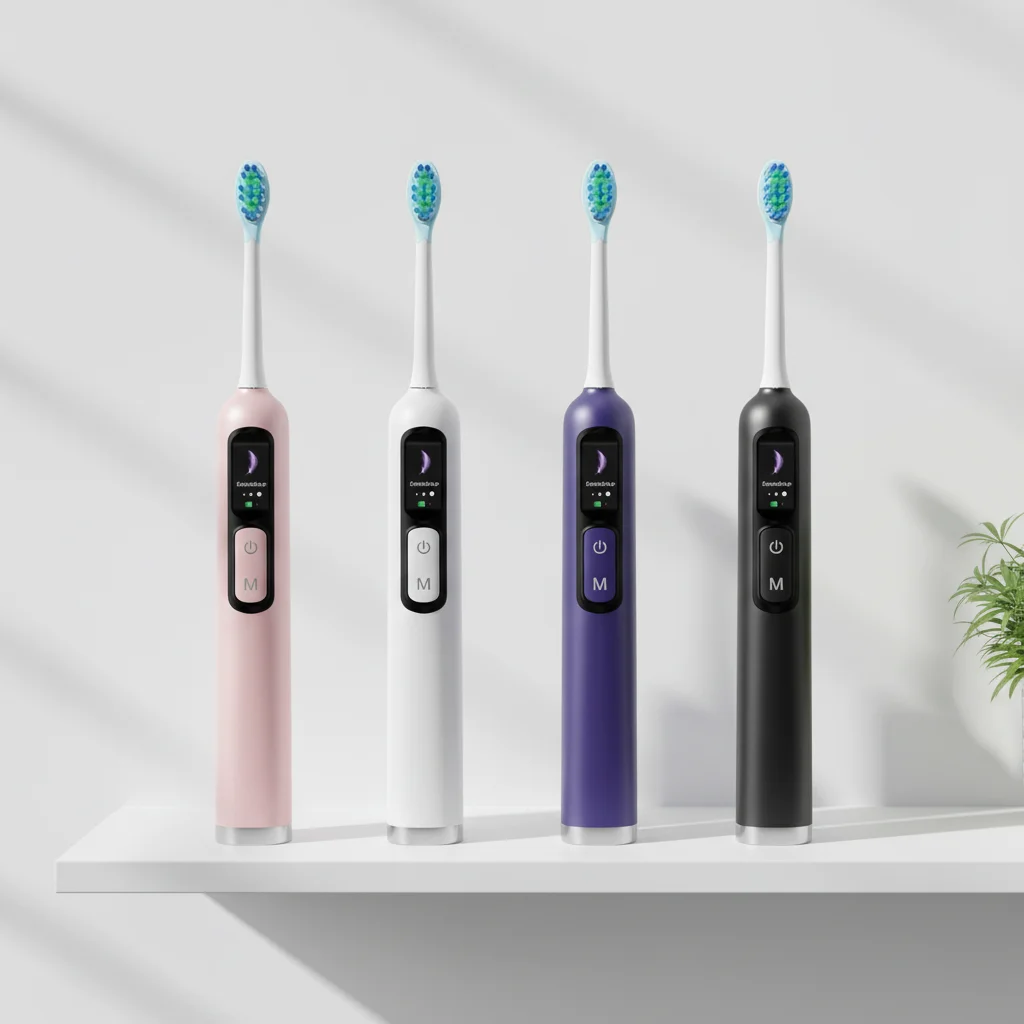
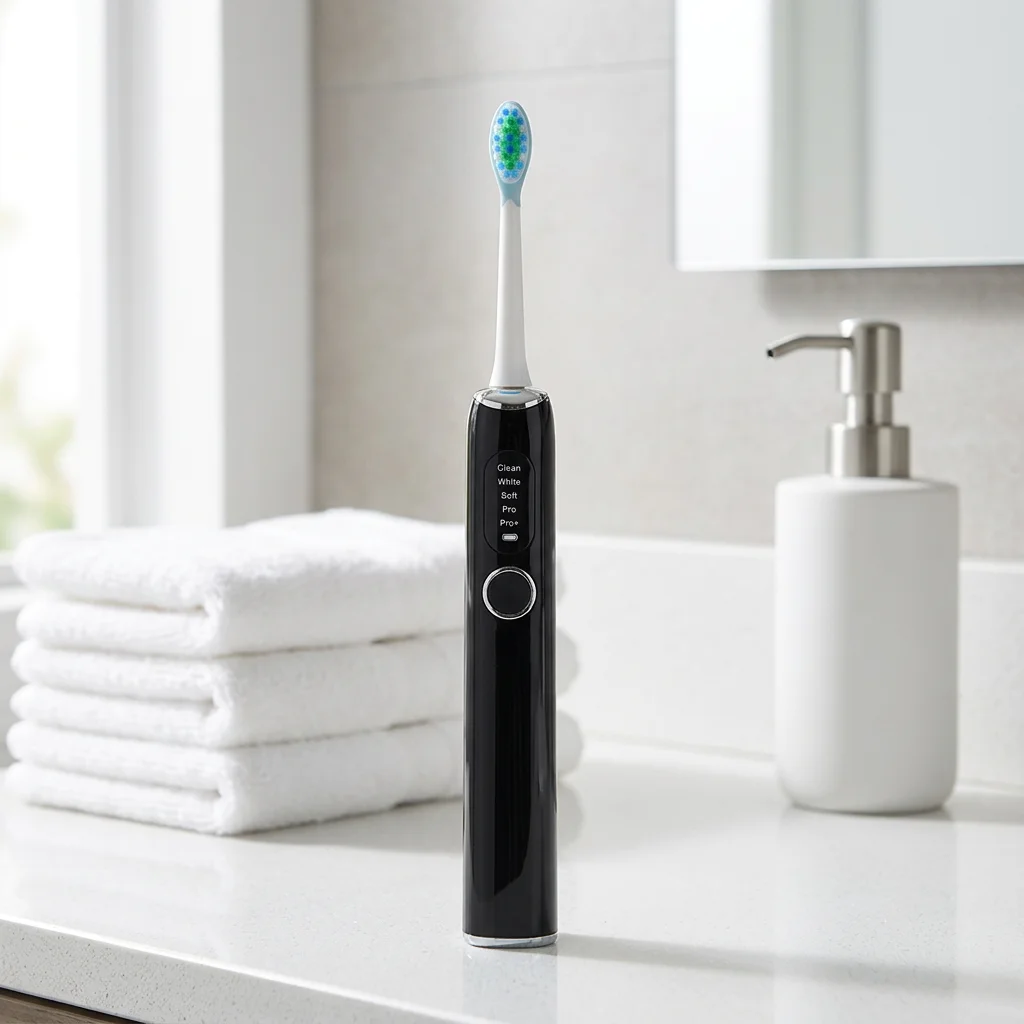
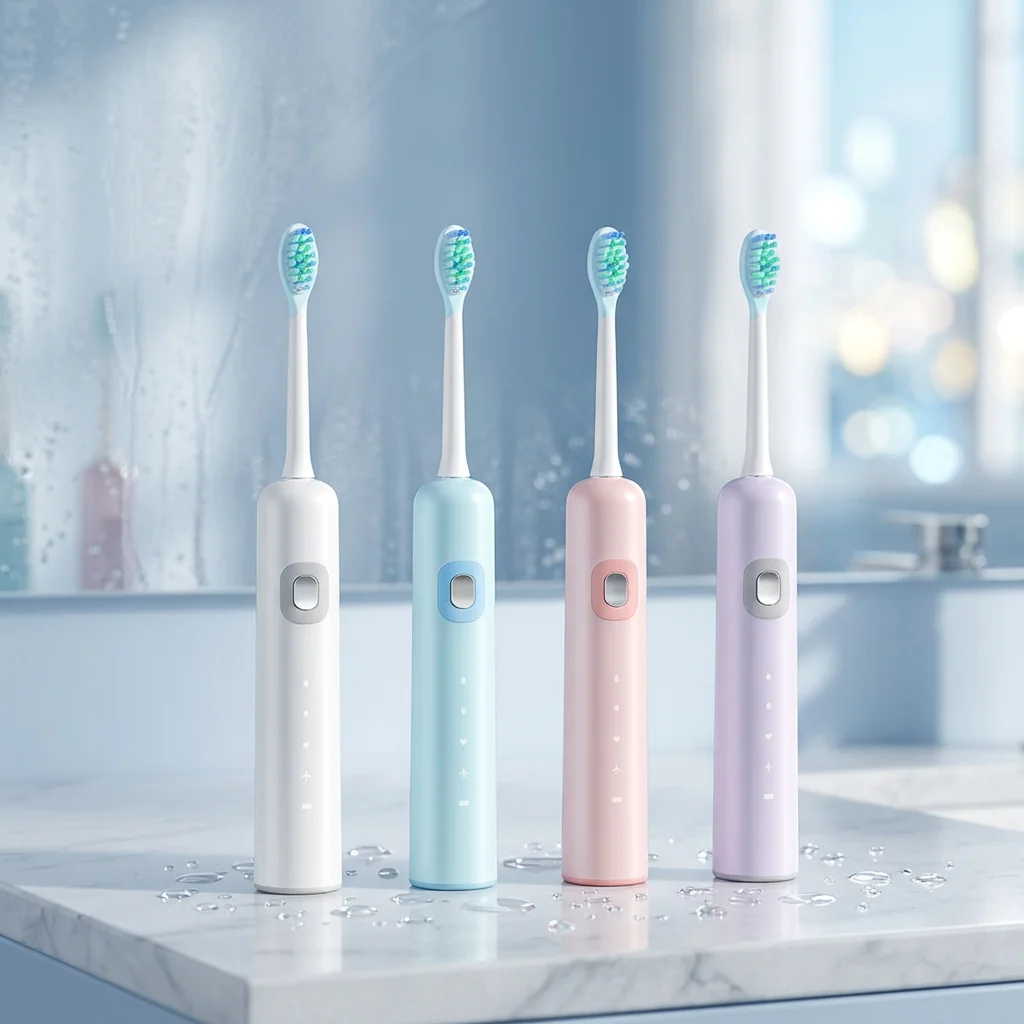
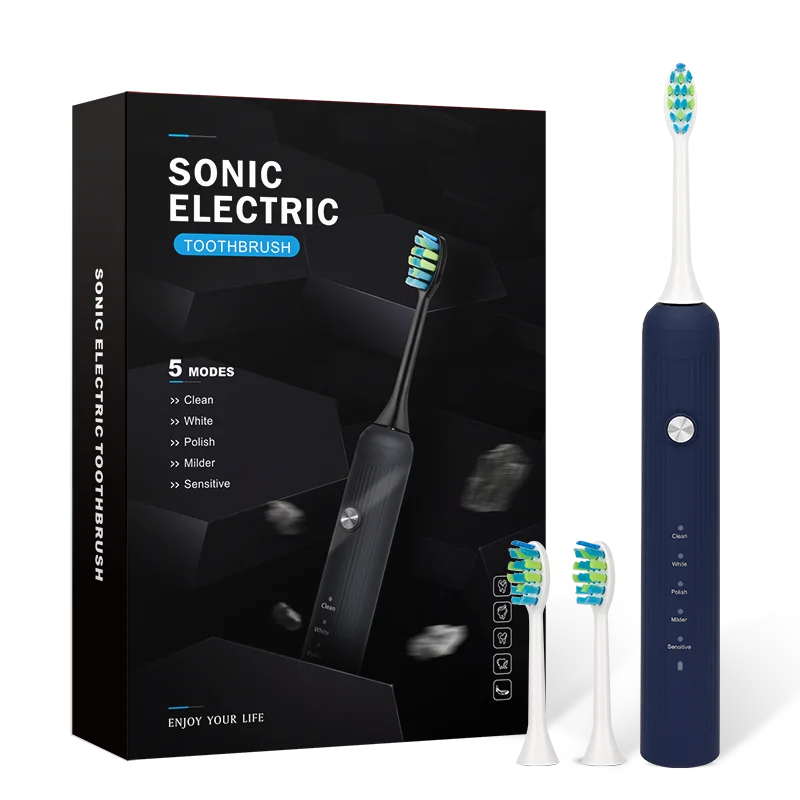
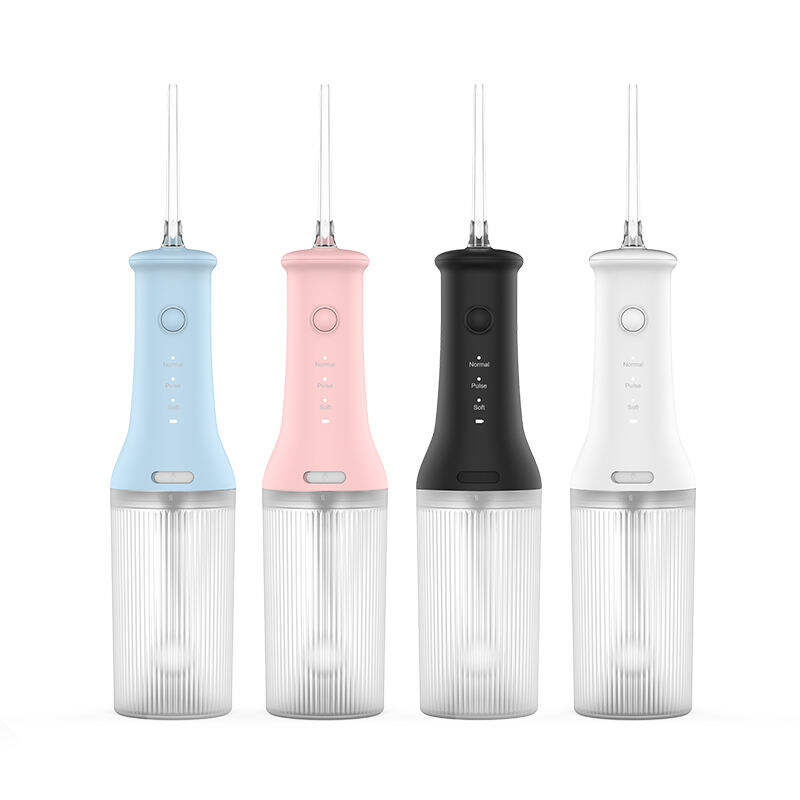
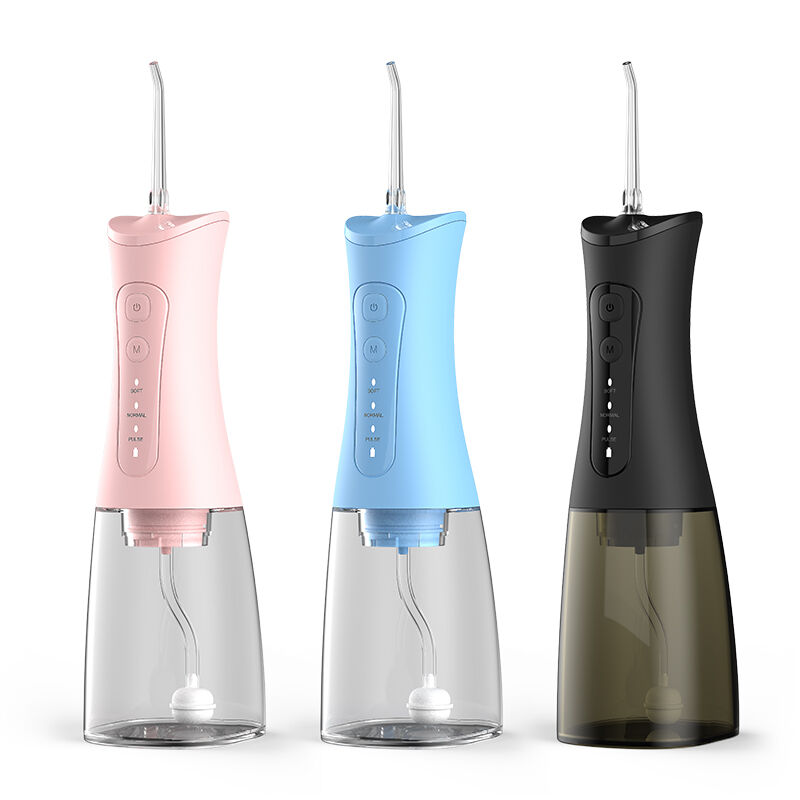
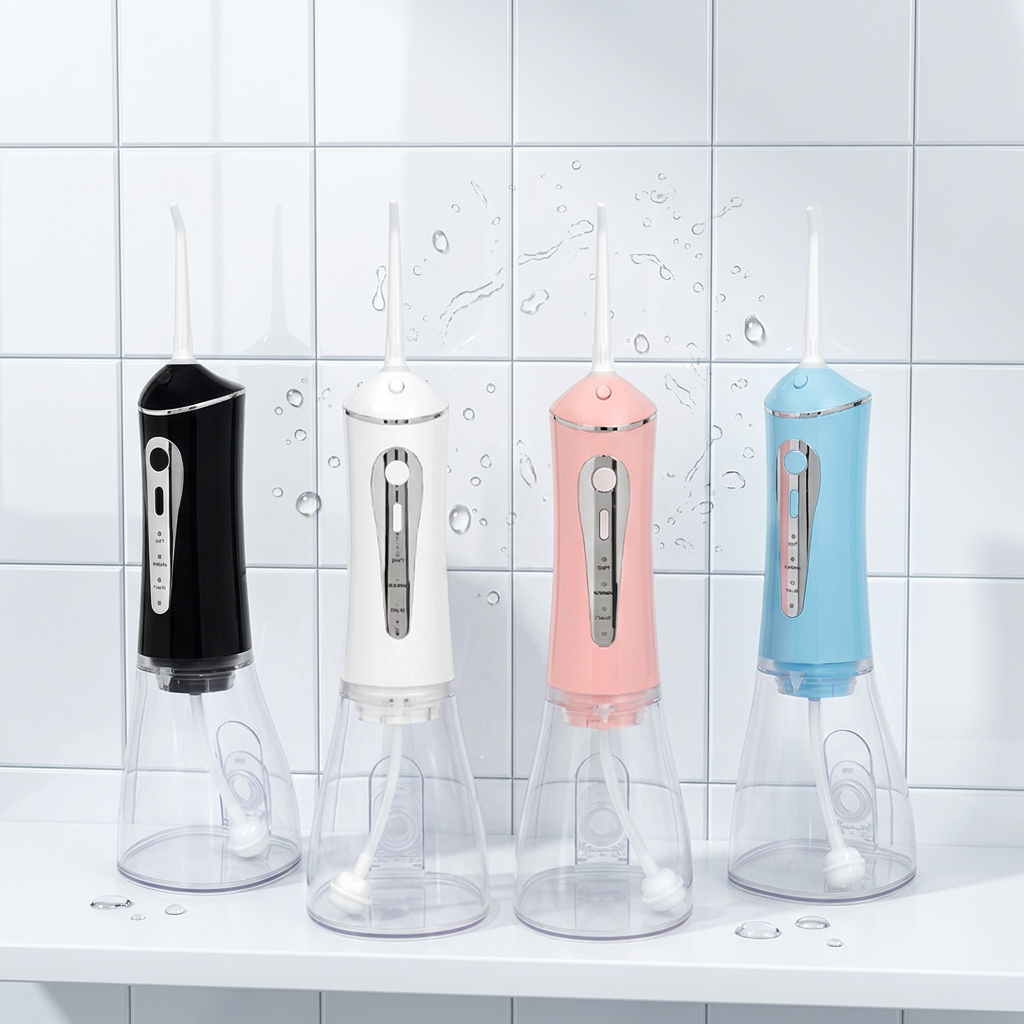
De mondverzorgingswaterflosser onderscheidt zich door een innovatief verwisselbaar uiteinde-systeem dat een enkel apparaat omzet in een uitgebreide oplossing voor mondhygiëne, geschikt voor diverse tandheelkundige behoeften en gezinsvereisten. Deze veelzijdigheid begint met het standaardstraaluiteinde, ontworpen voor algemene dagelijkse reiniging, en voorzien van een nauwkeurig geconstrueerde opening die de waterstroom concentreert tot een gerichte straal, in staat om tussen nauwe tandcontacten te doordringen en opgehoopte restanten weg te spoelen. Het orthodontische uiteinde van de mondverzorgingswaterflosser is een gespecialiseerde oplossing voor de miljoenen mensen die orthodontische behandeling ondergaan; het bevat een zachte borstelaanhechting rondom de waterstraal die tegelijkertijd deeltjes rondom de beugelbevestigingen verwijdert, terwijl de waterstraal onder de draden en tussen de tanden reinigt. Periodontale uiteinden die worden meegeleverd met geavanceerde modellen van de mondverzorgingswaterflosser zijn voorzien van taps toelopende, zachte rubberen uiteinden specifiek ontworpen voor subgingivale reiniging, waardoor ze zacht in periodontale zakken tot zes millimeter diep kunnen worden ingevoerd voor therapeutische spoeling die de behandeling van matige tot gevorderde tandvleesziekte ondersteunt. De tongreiniger-aanhechting breidt de functionaliteit van de mondverzorgingswaterflosser uit boven interdentale reiniging en biedt een comfortabele en effectieve methode om bacteriën en restanten van het tongoppervlak te verwijderen, wat bijdraagt aan slechte adem en de algehele bacteriële belasting in de mond. Gezinnen profiteren enorm van het kleurgecodeerde uiteindesysteem, waardoor elk familielid zijn of haar persoonlijke uiteinde kan gebruiken terwijl het basisapparaat wordt gedeeld; hierdoor is de mondverzorgingswaterflosser een economische investering die meerdere gebruikers kan bedienen zonder hygiëneproblemen. Het plaquezoeker-uiteinde combineert dunne, gebundelde borstelharen met de waterstraal, waardoor mechanisch schrobben en spoelen worden gecombineerd voor verbeterde reiniging rondom tandtechnische werkzaamheden zoals kroontjes, bruggen en implantaten, waar plaque vaak ophoopt langs de randen van de restauratie. Gespecialiseerde uiteinden voor mondverzorgingswaterflossers voor implantaatonderhoud zijn vervaardigd uit extra-zacht materiaal dat effectief reinigt zonder titaniumoppervlakken te krassen of het gevoelige weefsel rondom osseogeïntegreerde implantaten te irriteren. De roterende uiteindetechnologie, beschikbaar in premiummodellen van de mondverzorgingswaterflosser, draait automatisch tijdens het afgeven van water, waardoor het bestreken oppervlak vergroot wordt en elke hoek van het tandoppervlak grondig wordt gereinigd zonder dat handmatige manipulatie van het uiteinde nodig is. Eenvoudige bevestigings- en demontagemogelijkheden maken het mogelijk om binnen enkele seconden tussen verschillende uiteinden van de mondverzorgingswaterflosser te wisselen, wat stimuleert om het juiste uiteinde te kiezen voor specifieke reinigingstaken in plaats van compromissen te sluiten met een ‘één-maat-voor-alles’-aanpak. De duurzaamheid en vervangbaarheid van de uiteinden garanderen langdurige functionaliteit: de meeste uiteinden van de mondverzorgingswaterflosser blijven onder normale gebruiksomstandigheden drie tot zes maanden functioneel voordat vervanging noodzakelijk is om optimale prestaties te behouden.


 EN
EN