
 EN



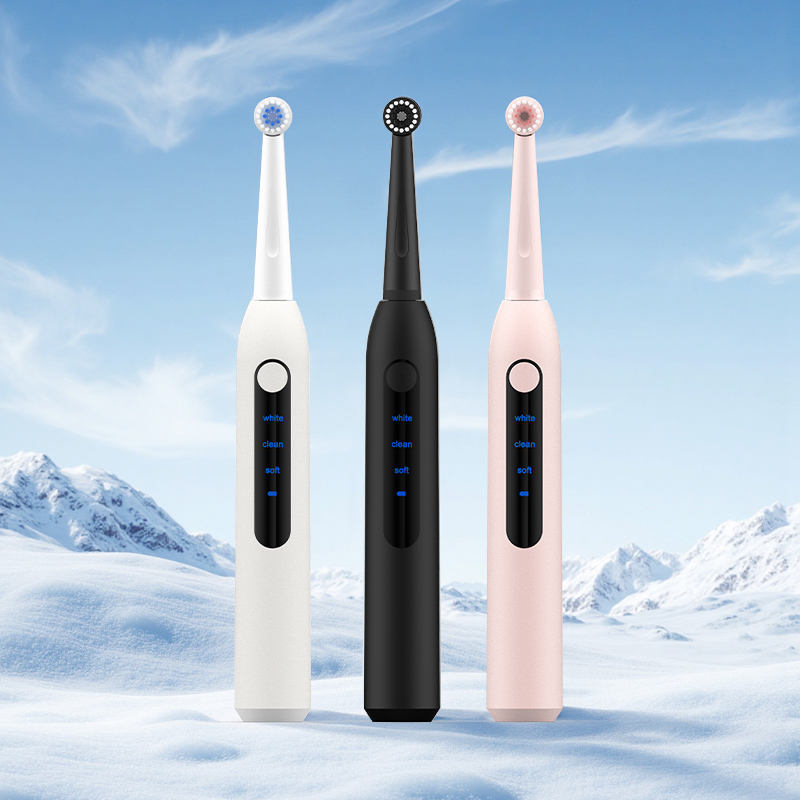
The electric toothbrush has become one of the most searched personal care products in global e-commerce. Consumers are increasingly drawn to the electric toothbrush as a tangible upgrade over manual brushing, making it a high-intent, high-conversion product category for online retailers. For e-commerce oral care brands looking to build a sustainable product line, the central question is whether the electric toothbrush can genuinely deliver on their business needs — from sourcing flexibility to customer satisfaction and margin potential.
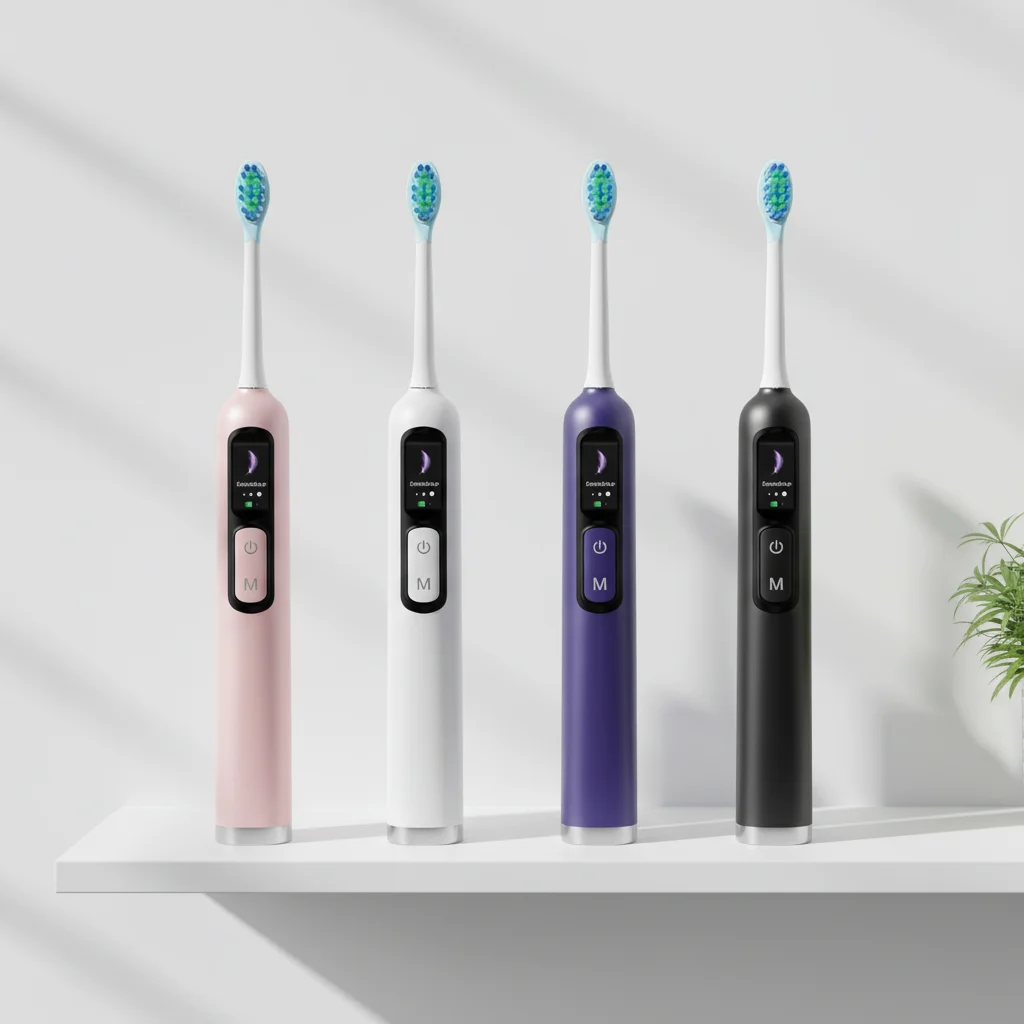
The short answer is yes — but only when the electric toothbrush is selected, specified, and sourced with the right criteria in mind. E-commerce brands operate under unique pressures: fast product turnover, competitive pricing, strong visual branding, and demanding customer reviews. An electric toothbrush that performs well in each of these areas is not a commodity — it is a strategic asset. This article breaks down exactly how the electric toothbrush can meet the specific needs of e-commerce oral care brands, and what to evaluate before committing to a product line.
Performance Standards That Drive Customer Satisfaction
Why Sonic Technology Matters for the Electric Toothbrush
Customer reviews are the lifeblood of e-commerce success, and the electric toothbrush lives or dies by what buyers say about their experience. Sonic technology has become the dominant performance standard in the electric toothbrush category because it delivers measurable, felt results. A sonic electric toothbrush typically operates at 20,000 to 40,000 brush strokes per minute, creating vibration-driven cleaning that customers can immediately perceive as more effective than manual alternatives. When shoppers receive an electric toothbrush that noticeably whitens teeth or reduces gum sensitivity within weeks, they leave positive reviews — and positive reviews drive repeat purchases and organic traffic.
For an e-commerce brand, choosing a sonic electric toothbrush is therefore both a product decision and a marketing decision. The performance of the electric toothbrush directly shapes the brand's reputation on platforms where algorithms reward high-rated listings. Brands that stock an electric toothbrush with verifiable sonic output are better positioned to maintain strong ratings over time.
IPX7 Waterproofing as a Non-Negotiable Feature
An electric toothbrush used in the bathroom must be waterproof. IPX7 waterproofing means the electric toothbrush can withstand submersion in up to one meter of water for thirty minutes, which far exceeds typical bathroom splash exposure. For e-commerce brands, an electric toothbrush with IPX7 certification dramatically reduces return rates caused by water damage — a common complaint in lower-spec products. Fewer returns mean healthier margins and better seller metrics on major e-commerce platforms. Brands should treat IPX7 as a baseline requirement rather than a premium feature when sourcing an electric toothbrush for online retail.
Customization and Branding Flexibility
Private Label Options for the Electric Toothbrush
E-commerce oral care brands thrive on differentiation. A generic electric toothbrush with no brand identity is difficult to defend in a crowded marketplace. Private label manufacturing allows a brand to present the electric toothbrush under its own name, with custom packaging, logo placement, color variants, and accessory bundles. This transforms the electric toothbrush from a replicated commodity into a branded experience. When consumers associate a specific electric toothbrush with a trusted brand identity, they are more likely to return for replacement brush heads, follow-up products, or gift sets — all high-margin upsell opportunities for e-commerce businesses.
Working with a supplier that offers private label flexibility on the electric toothbrush also gives brands control over perceived value. A well-designed electric toothbrush packaged under a strong brand commands a higher price point than an unbranded equivalent, even when the underlying product is comparable. This is a critical margin lever for e-commerce businesses operating in competitive oral care categories.
Accessories and Bundle Compatibility
An electric toothbrush is rarely sold alone in a successful e-commerce listing. Smart brands build bundles that include extra brush heads, travel cases, or charging docks alongside the core electric toothbrush unit. This increases average order value and makes the electric toothbrush listing more competitive in search rankings, since bundled listings often outperform single-item listings in conversion rate. When evaluating an electric toothbrush supplier, brands should assess the availability of compatible accessories that can be co-branded and sold as part of a cohesive product ecosystem.
Sourcing Considerations for E-Commerce Scalability
Minimum Order Quantities and Inventory Risk
E-commerce brands, especially those in growth stages, need sourcing flexibility. An electric toothbrush supplier that enforces extremely high minimum order quantities creates inventory risk that is poorly suited to the demand variability of online retail. Brands should seek suppliers who offer tiered minimum order quantities for the electric toothbrush, allowing initial test orders before scaling. This approach enables data-driven inventory decisions — brands can verify that the electric toothbrush converts well in their specific market before committing to large stock positions. Sourcing agility is one of the most underappreciated advantages a brand can have when launching an electric toothbrush online.
Certification and Compliance for Global Markets
Selling an electric toothbrush across multiple e-commerce markets requires attention to regulatory compliance. Different regions have different certification requirements for the electric toothbrush, including CE marking for Europe, FCC for the United States, and RoHS compliance for restricted substances. Brands that source a pre-certified electric toothbrush can list across platforms faster, without the delays or costs of obtaining individual certifications. Suppliers who proactively provide documentation for the electric toothbrush simplify the compliance process and reduce the risk of listing removals or customs issues — both of which are particularly damaging for e-commerce operations that depend on consistent product availability.
FAQ
What features should an electric toothbrush have for e-commerce success?
An electric toothbrush intended for e-commerce should include sonic motor technology, IPX7 waterproofing, multiple brushing modes, and a long-lasting rechargeable battery. These features generate positive customer reviews, reduce returns, and support premium pricing — all critical for a competitive electric toothbrush listing online.
Can an electric toothbrush be white-labeled for a new oral care brand?
Yes. Many electric toothbrush manufacturers offer private label and OEM services that allow new oral care brands to customize the product with their own logo, colors, and packaging. A white-labeled electric toothbrush gives a brand full control over its positioning and pricing without requiring proprietary product development from scratch.
How does IPX7 waterproofing affect an electric toothbrush's market performance?
IPX7 waterproofing directly reduces product return rates for the electric toothbrush, which protects seller ratings and profit margins. Customers expect the electric toothbrush to function reliably in wet environments, and certifications like IPX7 provide a verifiable quality signal that improves purchase confidence and reduces post-sale complaints on e-commerce platforms.