
 EN



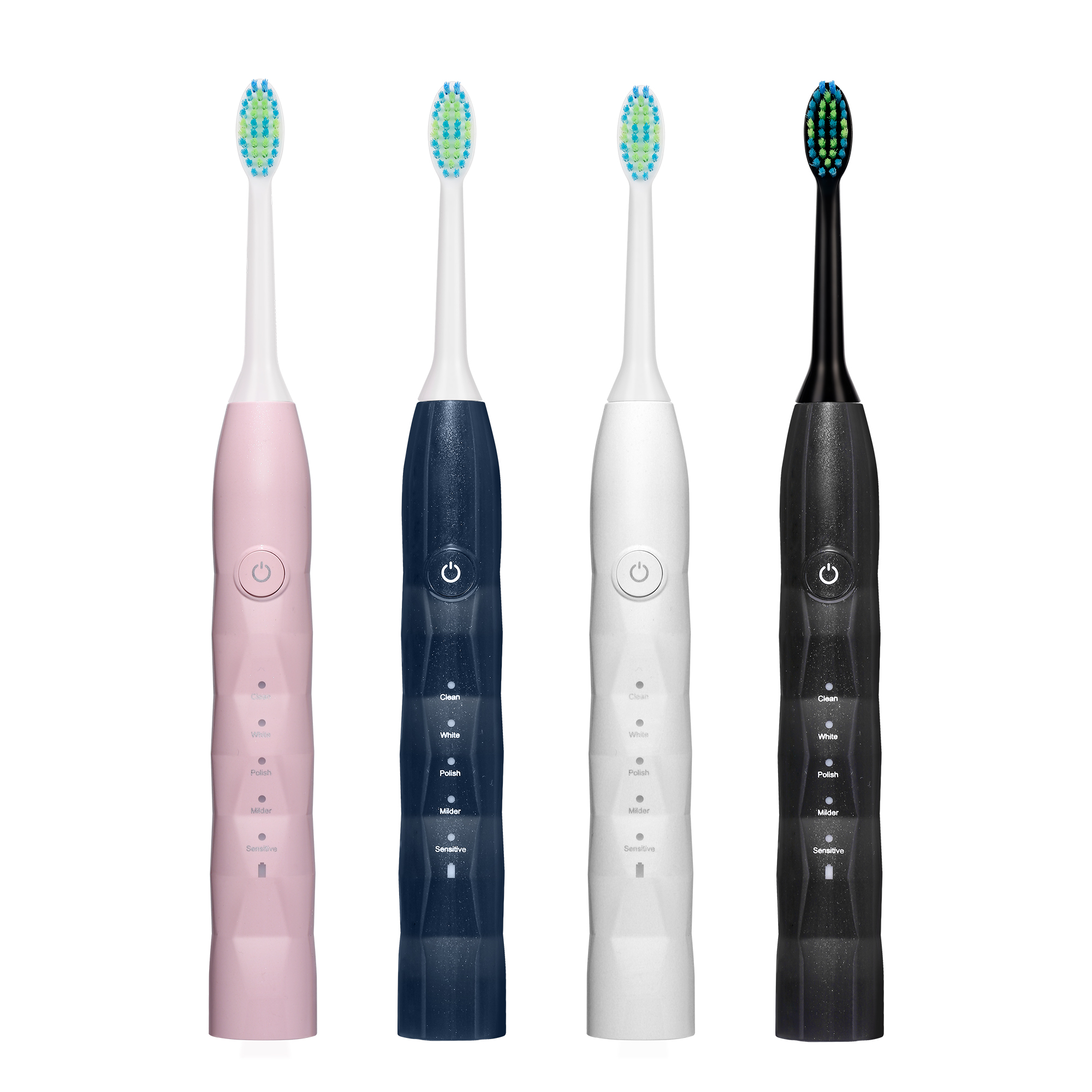
Maintaining strong dental health over the years requires more than occasional dental visits — it demands consistent, effective daily oral care. An electric toothbrush has become one of the most reliable tools for achieving that consistency. Unlike manual brushing, an electric toothbrush delivers precise, oscillating or sonic movements that work deep between teeth and along the gumline, areas that are easy to miss with standard techniques.
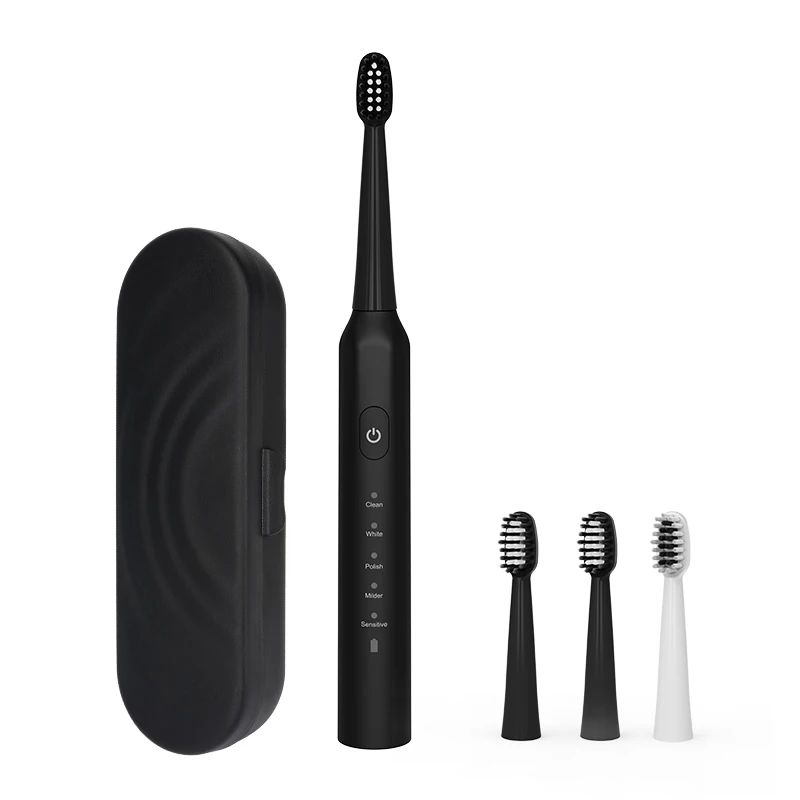
Understanding how an electric toothbrush supports dental health in the long term helps users make smarter choices about their daily oral hygiene routine. From plaque control to gum protection and even habit reinforcement, the electric toothbrush offers compounding benefits that build over months and years of regular use. This article explores exactly how an electric toothbrush contributes to lasting dental health and why it is considered a significant upgrade from manual alternatives.
Superior Plaque Removal With an Electric Toothbrush
How the Electric Toothbrush Cleans More Effectively
The core advantage of an electric toothbrush lies in its brushing frequency. A high-quality electric toothbrush can perform thousands of brush strokes per minute, far exceeding what a person can replicate manually. This rapid movement allows the electric toothbrush to dislodge plaque from tooth surfaces and interdental spaces with far greater efficiency. For individuals who struggle with thorough manual brushing, switching to an electric toothbrush often results in noticeably cleaner teeth within weeks.
Plaque accumulation is the root cause of tooth decay and gum disease. When plaque is not removed consistently, it hardens into tartar, which requires professional intervention to eliminate. The electric toothbrush addresses this risk at the daily level by ensuring each brushing session achieves a higher degree of cleanliness. Over time, the reduction in plaque buildup directly lowers the risk of cavities, sensitivity, and costly dental procedures.
Consistent Cleaning Motion as a Long-Term Benefit
One often-overlooked benefit of using an electric toothbrush is that the cleaning motion remains consistent regardless of the user's energy level or attention. Manual brushing quality tends to vary widely — a tired morning brush rarely matches the thoroughness of a focused one. An electric toothbrush standardizes the experience. Whether the user is fully alert or brushing before bed, the electric toothbrush performs the same reliable action every time, making it a dependable part of long-term oral hygiene.
Gum Health Improvements Over Time
Gentle Yet Effective Gum Care From the Electric Toothbrush
Gum health is inseparable from overall dental health, and the electric toothbrush plays a meaningful role in protecting and improving the gums over time. Many users who switch to an electric toothbrush report a reduction in gum bleeding and inflammation within a few weeks. This improvement occurs because an electric toothbrush with appropriate pressure settings stimulates the gumline more gently and uniformly than aggressive manual scrubbing. Healthy gums form a protective seal around each tooth, reducing the entry of bacteria into deeper tissues.
Gingivitis, the earliest stage of gum disease, is highly reversible when caught early. Regular use of an electric toothbrush can prevent gingivitis from developing or progressing by keeping the gumline consistently clean. Dental professionals frequently recommend the electric toothbrush to patients with sensitive gums because it allows effective cleaning without the risk of overbrushing, which can cause gum recession over time when using a manual brush.
Pressure Sensing Features That Protect Long-Term Gum Integrity
Many modern electric toothbrush models include built-in pressure sensors that alert the user when they are applying too much force. This feature is particularly valuable for long-term gum health. Overbrushing is a common and damaging habit that erodes enamel and causes gum recession, yet many people do not realize they are doing it. An electric toothbrush with pressure feedback removes this guesswork entirely, protecting the gums and enamel across years of daily use. This kind of intelligent design makes the electric toothbrush a proactive dental care tool, not just a cleaning device.
Habit Formation and Daily Compliance
How the Electric Toothbrush Encourages Better Brushing Habits
Long-term dental health is fundamentally a product of consistent habits. Even the best electric toothbrush only delivers results when used regularly and correctly. Fortunately, the electric toothbrush itself tends to encourage better compliance. Many electric toothbrush models include a built-in timer that signals when two full minutes of brushing have been completed, the duration recommended by dental professionals. This feature transforms an abstract recommendation into a concrete, daily experience, helping users build and maintain the right brushing duration over time.
Children and adults alike are more engaged by brushing with an electric toothbrush than with a manual one, simply because the experience is more interactive. For households with younger users, introducing an electric toothbrush early can establish lifelong oral hygiene habits. For adults who have let their routines slip, upgrading to an electric toothbrush often serves as a practical reset. When brushing becomes a more effective and engaging activity, people are more likely to do it consistently, which is the true foundation of long-term dental health.
The Role of Regular Replacement in Sustained Performance
A key factor in maximizing the long-term benefits of an electric toothbrush is maintaining the tool itself. The brush head of an electric toothbrush should be replaced approximately every three months, or sooner if the bristles show wear. A worn brush head reduces the cleaning effectiveness of the electric toothbrush significantly. Making timely replacements ensures that the electric toothbrush continues to perform at the level needed to protect dental health over the long term. Treating the electric toothbrush as a precision instrument — not just a commodity item — is essential for sustained results.
FAQ
How often should I use an electric toothbrush for the best dental health results?
Dental professionals recommend using an electric toothbrush at least twice daily — once in the morning and once before bed. Consistent twice-daily use of an electric toothbrush provides the plaque control and gum stimulation needed to support long-term dental health effectively.
Is an electric toothbrush suitable for people with sensitive teeth or gums?
Yes. An electric toothbrush with a soft brush head and pressure sensor is often an excellent choice for users with sensitive teeth or gums. The controlled motion of an electric toothbrush reduces the risk of aggressive brushing, making it gentler and more protective than many manual brushing methods.
How does an electric toothbrush compare to a manual toothbrush for long-term plaque control?
Research consistently shows that an electric toothbrush removes more plaque than a manual toothbrush over the same brushing duration. The mechanical action of an electric toothbrush reaches areas that are difficult to clean manually, providing a measurable long-term advantage in plaque reduction and overall dental health maintenance.