
 EN



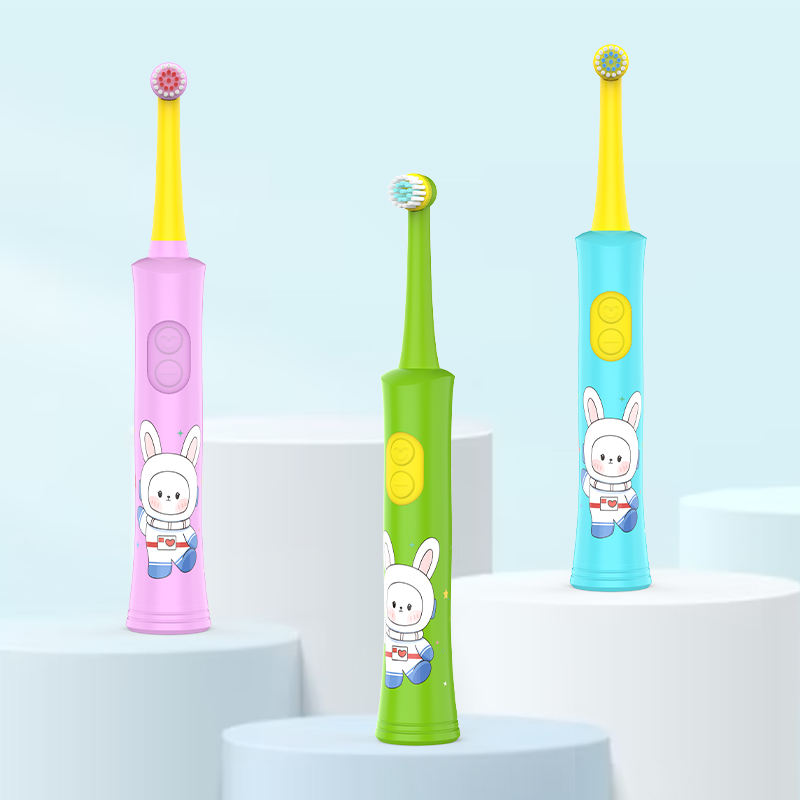
Achieving comprehensive oral hygiene requires reaching every surface of your teeth, especially the challenging areas that traditional manual brushing often misses. A rotating electric toothbrush represents a significant advancement in dental care technology, specifically designed to overcome the limitations of manual toothbrushes by providing superior access to difficult cleaning areas. The precision and consistency of a rotating electric toothbrush enable users to clean interdental spaces, tight gum lines, and posterior tooth surfaces more effectively than conventional brushing methods, resulting in improved plaque removal and better overall dental health outcomes.
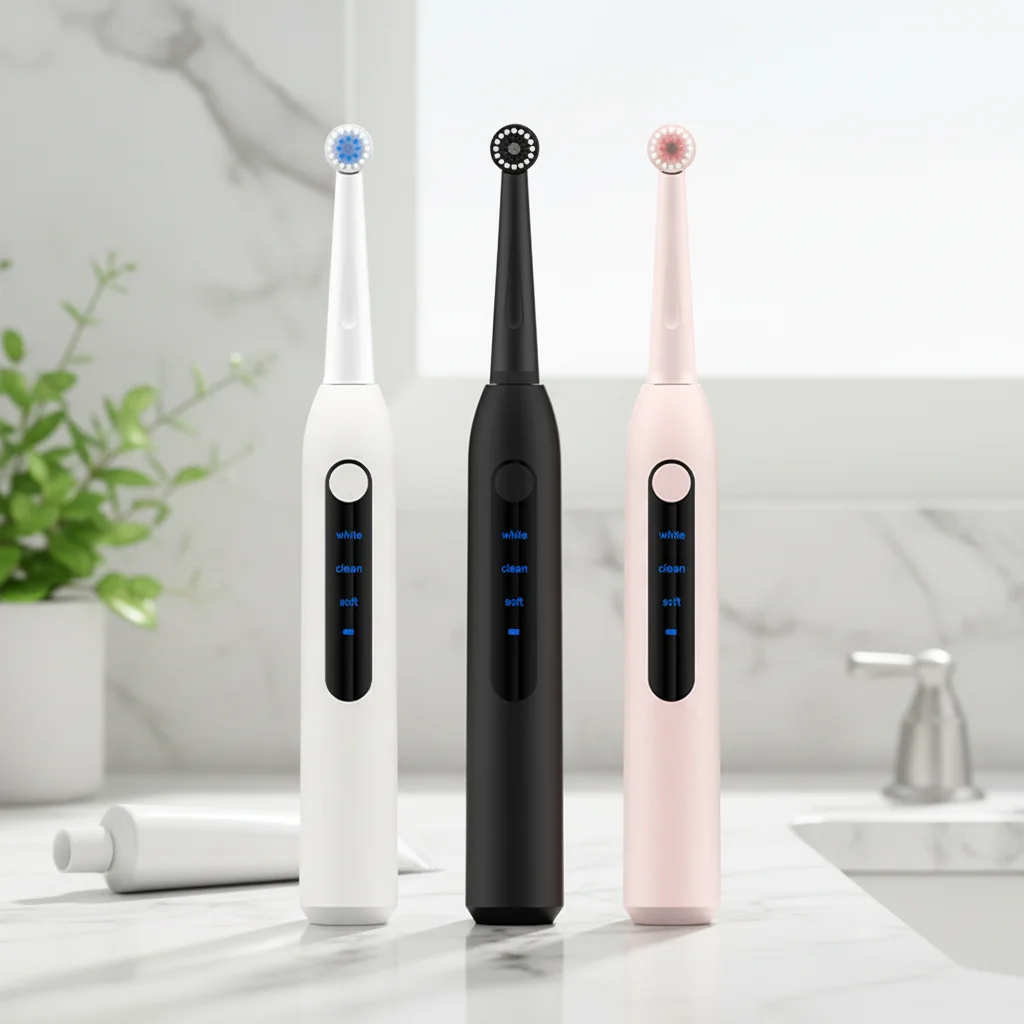
Understanding how a rotating electric toothbrush works and why it performs better than manual alternatives is essential for making informed decisions about your oral care routine. The mechanical action of a rotating electric toothbrush delivers thousands of brush head movements per minute, far exceeding what manual brushing can achieve, thereby addressing one of the primary challenges in dental hygiene: accessing and thoroughly cleaning those problematic areas where bacteria and plaque accumulate most readily.
The Mechanical Advantage of Rotating Technology
How Rotation Enhances Cleaning Efficiency
A rotating electric toothbrush operates through rapid oscillation and rotation of the brush head, which generates dynamic cleaning action that differs fundamentally from the back-and-forth motion of manual toothbrushes. The oscillating motion of a rotating electric toothbrush creates micro-movements that dislodge plaque particles from tooth surfaces and below the gum line with greater precision and force consistency. Unlike manual brushing, which relies entirely on user technique and physical effort, a rotating electric toothbrush maintains uniform pressure and motion speed across all teeth, ensuring that no area receives inadequate cleaning due to fatigue or inconsistent technique.
Reaching Interproximal and Posterior Areas
The tapered design and compact head of a rotating electric toothbrush allow it to penetrate tight interdental spaces where food particles and bacteria harbor. A rotating electric toothbrush's ability to access the posterior molars and challenging areas behind back teeth addresses a common weakness in manual brushing routines, where users often struggle to reach these regions effectively. The ergonomic handle and lightweight construction of most rotating electric toothbrush models enable users to position the brush head at optimal angles for difficult areas, something that becomes increasingly challenging when using manual brushes for extended periods.
Superior Plaque Removal and Gum Health Benefits
Clinical Evidence for Improved Cleaning Access
Research consistently demonstrates that a rotating electric toothbrush removes significantly more plaque than manual alternatives, particularly from areas that are difficult to access. Dental professionals recognize that the superior access provided by a rotating electric toothbrush translates to better gum health, reduced bleeding, and lower incidence of periodontal disease among regular users. The vibration frequency and rotational pattern of a rotating electric toothbrush create an action that manual brushing simply cannot replicate, making it especially beneficial for individuals with limited dexterity, arthritis, or other conditions that affect brushing capability.
Biofilm Disruption in Hard-to-Reach Zones
Biofilm formation begins in areas where a rotating electric toothbrush excels: crevices, interdental spaces, and subgingival regions. The consistent action of a rotating electric toothbrush disrupts biofilm formation before it becomes entrenched, preventing the progression to more serious dental problems. By improving access to difficult cleaning areas, a rotating electric toothbrush effectively extends the reach of daily oral hygiene practices, allowing users to maintain plaque-free surfaces in locations that would otherwise remain partially cleaned by manual methods.
Practical Application and Optimal Technique
Positioning Strategy for Maximum Coverage
Effective use of a rotating electric toothbrush requires positioning the brush head at a 45-degree angle to the gum line, allowing the rotating bristles to access the gingival margin and interdental areas simultaneously. The technique for using a rotating electric toothbrush differs from manual brushing; users should hold the brush steady while allowing the device to perform the cleaning action rather than moving the brush head forcefully across teeth. Guiding a rotating electric toothbrush systematically from posterior regions to anterior teeth ensures comprehensive coverage of difficult cleaning areas, including the lingual surfaces of lower anterior teeth where many people accumulate tartar despite brushing efforts.
Addressing Common Access Challenges
Users often encounter difficulty accessing wisdom teeth and the inner surfaces of front lower teeth with manual toothbrushes, but a rotating electric toothbrush solves these problems through its compact head design and consistent rotational power. The ability to angle a rotating electric toothbrush head precisely without requiring excessive manual dexterity makes it particularly valuable for elderly individuals and those with limited range of motion. By positioning the rotating electric toothbrush perpendicular to tooth surfaces at difficult angles, users gain access to subgingival plaque that manual brushing fails to address, resulting in measurably better oral health outcomes in these challenging areas.
FAQ
Can a rotating electric toothbrush reach areas where manual brushes fail?
Yes, a rotating electric toothbrush reaches difficult areas more effectively than manual brushes because its compact head size, controlled motion, and consistent pressure allow positioning at angles that manual brushing cannot achieve. The interdental spaces, subgingival areas, and posterior tooth surfaces benefit significantly from the precision access that a rotating electric toothbrush provides, resulting in superior plaque removal in these challenging zones compared to traditional brushing methods.
How often should users replace their rotating electric toothbrush head?
Most dental professionals recommend replacing the brush head of a rotating electric toothbrush every three months, or when bristles become visibly frayed. A rotating electric toothbrush with worn bristles loses its ability to access difficult cleaning areas effectively, as compromised bristle structure reduces plaque-disrupting action and precision targeting of hard-to-reach zones.
Is a rotating electric toothbrush suitable for people with sensitive gums?
Yes, a rotating electric toothbrush can be ideal for sensitive gums when used with appropriate pressure and settings. Many modern rotating electric toothbrush models include pressure-sensitive features and gentler modes that protect gums while still providing excellent access to difficult cleaning areas, making them suitable for individuals with gum sensitivity or periodontal concerns.