
 EN



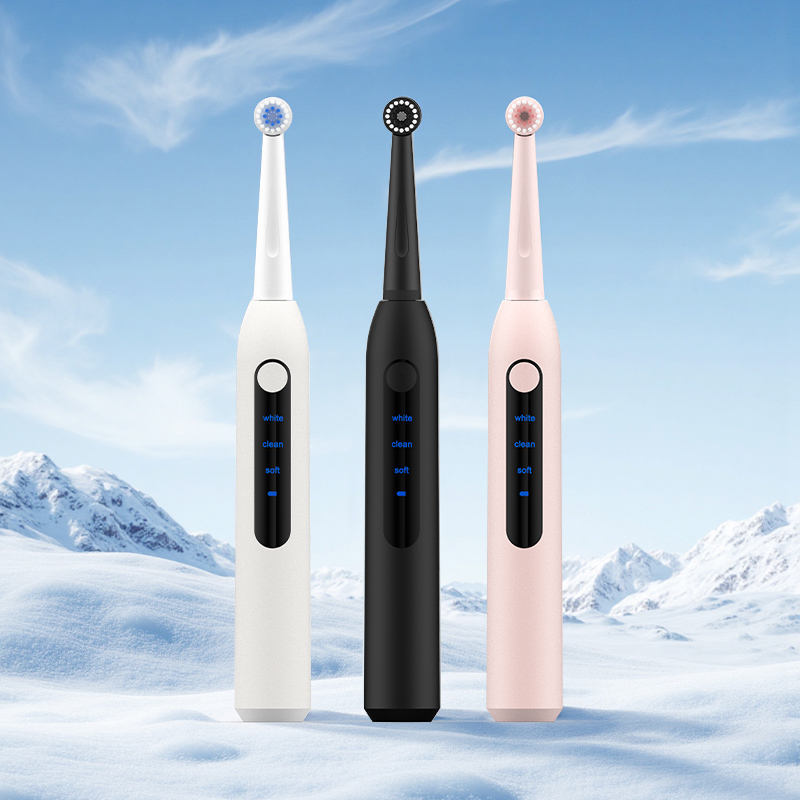
The retail landscape for oral care has undergone a significant transformation in recent years, with a clear shift toward premium and technologically advanced products. Among these innovations, the rotating electric toothbrush has emerged as a dominant category that retailers actively promote across their shelves and online platforms. Understanding why retailers prioritize the rotating electric toothbrush in their product assortment reveals much about consumer behavior, profitability, and the evolving standards of personal health management in modern markets.
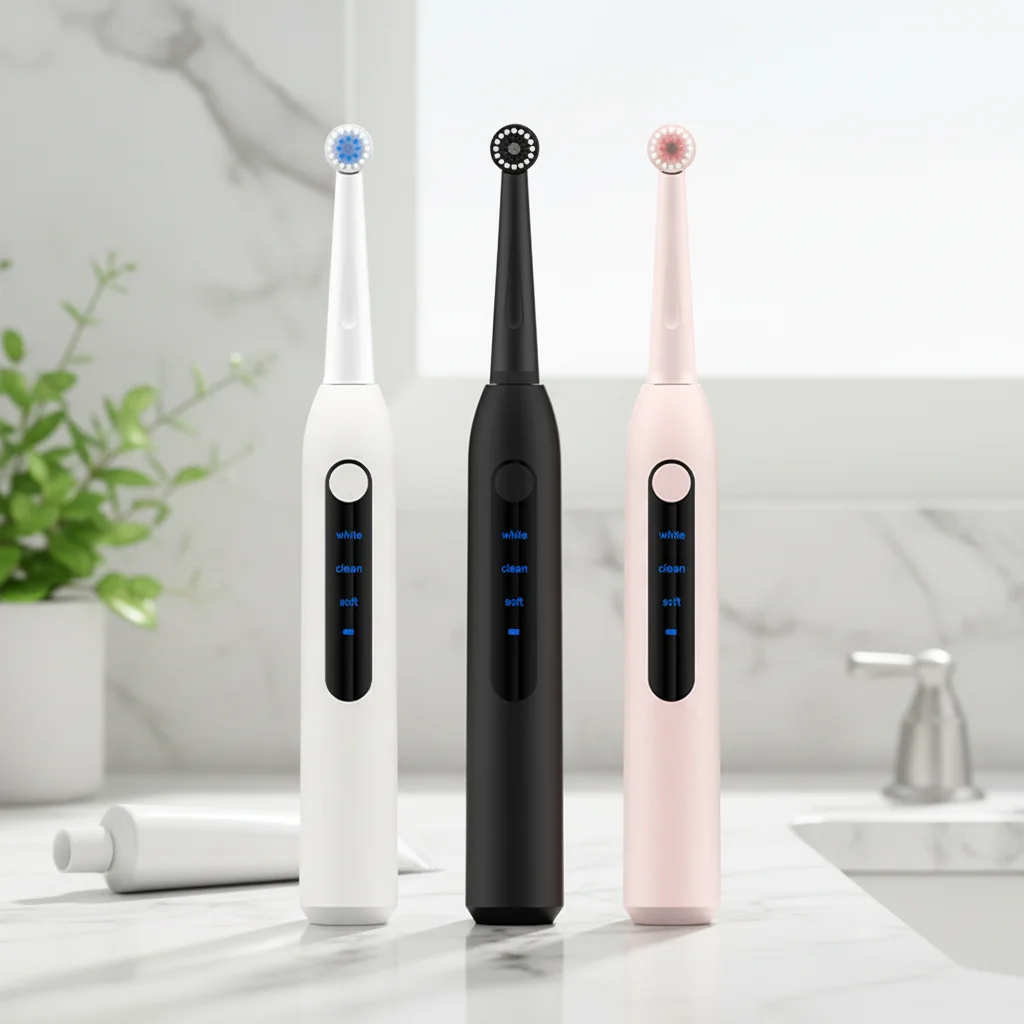
Retailers promote the rotating electric toothbrush because it represents a convergence of consumer demand, superior clinical outcomes, and higher profit margins compared to manual alternatives. The rotating electric toothbrush category has become a strategic focus for oral care retailers seeking to differentiate their offerings and capture market share from increasingly health-conscious consumers who view dental hygiene as an investment rather than a routine necessity.
Consumer Health Awareness and Clinical Evidence
Rising Demand for Superior Cleaning Technology
Modern consumers are more informed about oral health than ever before, driven by accessible health information online and recommendations from dental professionals. This heightened awareness has created strong demand for the rotating electric toothbrush as consumers recognize that this technology delivers measurably better plaque removal compared to manual brushing methods. Retailers capitalize on this awareness by prominently featuring rotating electric toothbrush products, knowing that informed shoppers actively seek them out and are willing to pay premium prices for clinically validated solutions.
Dental professionals consistently recommend the rotating electric toothbrush to their patients, and many consumers follow these recommendations when making purchase decisions. This professional endorsement translates directly into retail demand, as patients specifically search for rotating electric toothbrush brands and models that their dentists mentioned. Retailers understand this pattern and dedicate shelf space and marketing resources to the rotating electric toothbrush category because they know these products carry the credibility of clinical support.
Documented Health Outcomes
Scientific research has extensively documented that the rotating electric toothbrush reduces gingivitis and plaque buildup more effectively than manual brushes. These clinical findings give retailers a powerful sales argument, as they can explain the rotating electric toothbrush benefits using evidence-based language rather than relying solely on marketing claims. When retailers prominently display rotating electric toothbrush products with educational materials highlighting their health advantages, they appeal directly to consumers seeking genuine improvements in their dental health outcomes.
The rotating electric toothbrush's ability to deliver consistent brushing motion and pressure consistency means users achieve better results regardless of their technique, which represents a practical health advantage that resonates with consumers of varying ages and manual dexterity levels. This universal appeal makes the rotating electric toothbrush an attractive category for retailers serving diverse customer demographics, from elderly consumers seeking easier-to-use alternatives to tech-savvy individuals interested in the latest oral care innovations.
Profitability and Retail Economics
Margin Structure and Revenue Optimization
The rotating electric toothbrush category generates substantially higher profit margins than manual toothbrush sales, making it a financially attractive focus for retailers managing inventory and shelf space allocation. A rotating electric toothbrush typically carries a retail price point between thirty and two hundred dollars, compared to three to eight dollars for manual alternatives, which means retailers earn significantly more gross profit per unit sold. This margin advantage directly influences retail merchandising strategies, as store managers naturally allocate prime shelf space and promotional budgets to product categories offering superior profitability.
Beyond the initial rotating electric toothbrush purchase, retailers benefit from consumable replacement patterns that generate recurring revenue. Replacement brush heads for a rotating electric toothbrush must be purchased every three to four months, creating a predictable revenue stream that retailers can depend on for future sales. This consumable model makes the rotating electric toothbrush category particularly attractive from a business perspective, as retailers build long-term customer value through repeat purchases of replacement components.
Competitive Differentiation Through Product Range
In an increasingly competitive retail environment, retailers use the rotating electric toothbrush to differentiate themselves from competitors and establish themselves as comprehensive oral care destinations. By offering a curated selection of rotating electric toothbrush models at various price points and with different feature sets, retailers attract different customer segments and create multiple entry points into the premium oral care category. This strategy allows retailers to capture customers seeking budget-friendly rotating electric toothbrush options while simultaneously appealing to premium consumers willing to invest in advanced rotating electric toothbrush technology with smart features and professional-grade performance.
The rotating electric toothbrush also serves as an anchor product that can drive traffic to oral care sections and create opportunities for cross-selling complementary products such as interdental cleaners, whitening treatments, and specialized toothpastes. Retailers strategically position the rotating electric toothbrush prominently to establish their commitment to oral care innovation, which enhances their overall brand positioning in the health and wellness space.
Market Trends and Consumer Lifestyle Integration
Premium Positioning and Lifestyle Alignment
The rotating electric toothbrush has transcended its functional role as a cleaning tool and has become a lifestyle product associated with personal wellness, sophistication, and self-care investment. Modern retailers recognize that consumers increasingly purchase the rotating electric toothbrush as part of a broader self-care ritual that includes premium skincare, fitness tracking, and nutritional optimization. This lifestyle positioning allows retailers to feature the rotating electric toothbrush in prominent marketing campaigns and displays that resonate with aspirational consumer values beyond basic oral hygiene.
Manufacturers of rotating electric toothbrush products have invested heavily in sleek industrial design, color customization, and connectivity features that appeal to modern consumers who view personal care devices as visible lifestyle choices. Retailers leverage this positioning by placing rotating electric toothbrush products in premium retail environments and using sophisticated marketing language that emphasizes technology, design, and personal empowerment rather than basic cavity prevention. This strategic retail approach transforms the rotating electric toothbrush from a dental necessity into a desirable consumer product that customers actively seek.
Technological Innovation as Retail Appeal
The rotating electric toothbrush category continues to evolve with smart features, app connectivity, pressure sensors, and artificial intelligence integration that create compelling reasons for retailers to refresh their product assortments regularly. These innovations generate excitement and media coverage that retailers can leverage to attract attention to their oral care sections and create repeat shopping visits from consumers interested in the latest rotating electric toothbrush technology. A customer who purchased a standard rotating electric toothbrush two years ago may return to upgrade to a model with rotating electric toothbrush features such as real-time guidance or personalized brushing recommendations.
Retailers understand that the rotating electric toothbrush appeals to consumers who embrace technology adoption across their lives, making it an important product category for reaching tech-forward demographics. By promoting the rotating electric toothbrush prominently, retailers position themselves as innovation-focused retailers that cater to forward-thinking consumers rather than remaining stagnant in traditional oral care approaches.
FAQ
Why is the rotating electric toothbrush more expensive than a manual toothbrush?
The rotating electric toothbrush costs more because it incorporates advanced motor technology, precision engineering, rechargeable battery systems, and sophisticated brush head designs that deliver superior cleaning performance. The development, manufacturing, and quality control processes for a rotating electric toothbrush require substantial investment, while the product also offers measurable health benefits that justify the higher price point. Additionally, the rotating electric toothbrush can last several years with proper maintenance, making the cost per use comparable to purchasing multiple manual toothbrushes over the same time period.
Do dental professionals recommend the rotating electric toothbrush?
Yes, dental professionals frequently recommend the rotating electric toothbrush because clinical research demonstrates its superior effectiveness at removing plaque and reducing gingivitis compared to manual brushing. The rotating electric toothbrush is particularly recommended for patients with limited manual dexterity, arthritis, or those seeking maximum plaque removal. Many dentists actively recommend specific rotating electric toothbrush models to their patients and often reference clinical studies supporting the rotating electric toothbrush's effectiveness during patient education.
What makes the rotating electric toothbrush a profitable product for retailers?
The rotating electric toothbrush generates high profit margins through its premium pricing compared to manual alternatives, creating substantial gross profit per unit. Additionally, the rotating electric toothbrush drives recurring revenue through consumable brush head replacements that customers purchase every few months, establishing a predictable and sustainable revenue stream for retailers. The rotating electric toothbrush also attracts customers seeking premium oral care solutions, enabling retailers to cross-sell complementary products and establish themselves as comprehensive oral care destinations.