
 EN



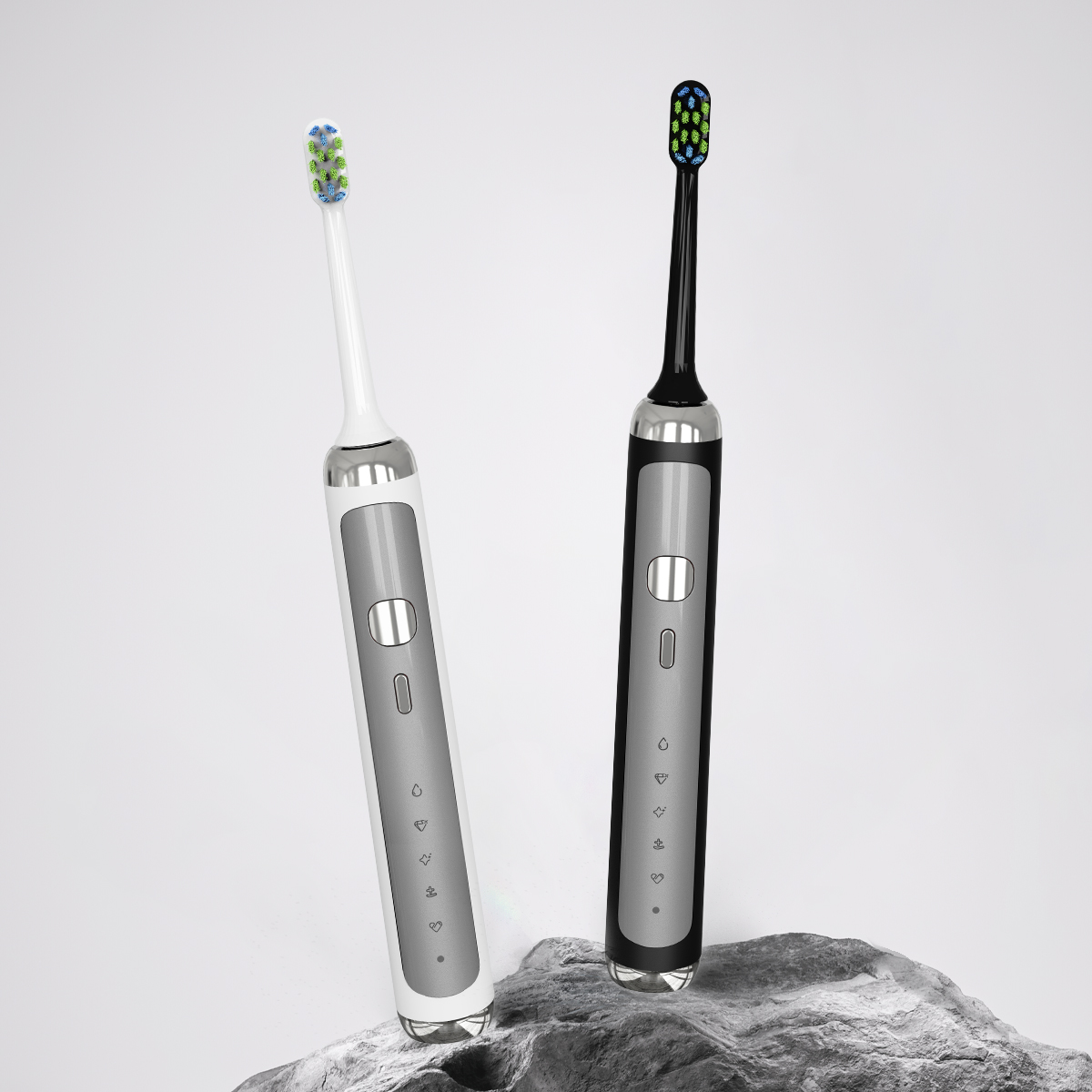
A sonic electric toothbrush transforms ordinary home oral care into a professional-grade cleaning experience by leveraging high-frequency vibration technology that mimics the precision of dental office equipment. Unlike manual brushing or standard electric models, a sonic electric toothbrush generates rapid bristle movements that create dynamic fluid action, sweeping away plaque and debris from areas traditional brushing cannot effectively reach. This technology bridges the gap between daily home maintenance and clinical-level hygiene, offering users the ability to achieve dentist-recommended cleanliness without scheduling frequent professional appointments.
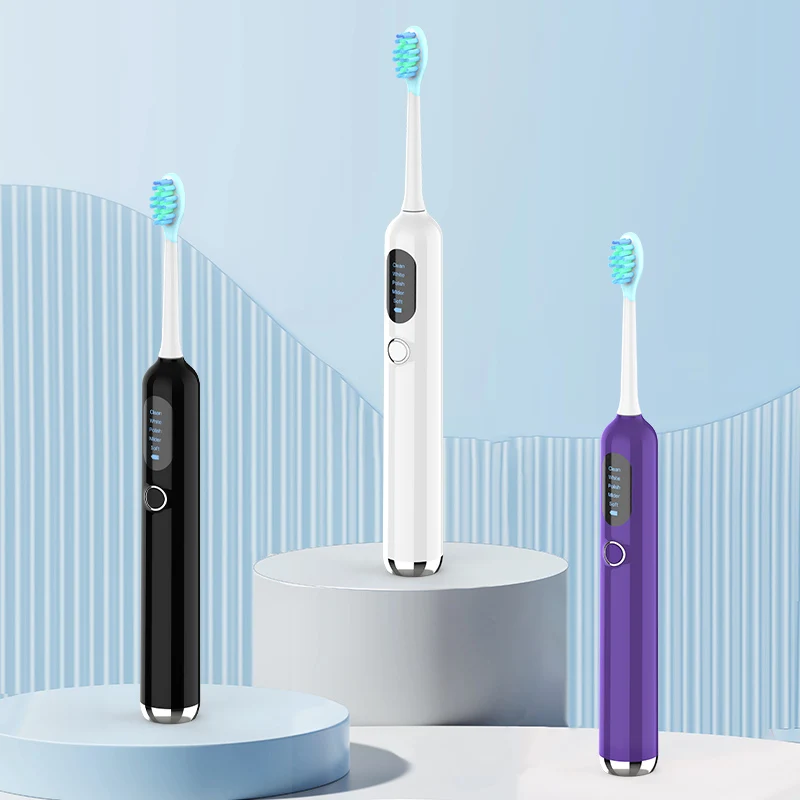
The promise of professional-quality results at home centers on understanding how sonic electric toothbrush mechanisms replicate the thoroughness of dental scaling and polishing procedures. With oscillation speeds reaching 31,000 to 40,000 strokes per minute, these devices deliver cleaning intensity far beyond what human hand motions can produce. The combination of mechanical bristle contact and hydrodynamic fluid forces ensures that each brushing session addresses surface stains, interproximal plaque, and gumline bacteria with the consistency dentists emphasize during cleanings. For individuals seeking to maintain optimal oral health between professional visits, a sonic electric toothbrush serves as the cornerstone of an effective home care routine.
Understanding Sonic Technology and Professional Cleaning Standards
High-Frequency Motion Mechanics
The defining characteristic of a sonic electric toothbrush lies in its ability to produce vibrations at frequencies that generate both direct bristle contact and secondary fluid dynamics. When bristles oscillate at sonic speeds, they create microbubbles and pressure waves in saliva and toothpaste, extending cleaning action beyond the physical reach of bristle tips. This dual-action mechanism allows a sonic electric toothbrush to disrupt bacterial biofilm along the gumline and between teeth, areas where plaque accumulation leads to gingivitis and periodontal disease. Professional dental cleanings rely on similar principles using ultrasonic scalers, which vibrate at even higher frequencies to remove calculus. A sonic electric toothbrush adapts this concept for daily use, providing a gentler yet highly effective method to prevent tartar formation before it requires professional intervention.
Clinical Validation and Plaque Removal Efficacy
Numerous clinical studies confirm that a sonic electric toothbrush removes significantly more plaque than manual brushing, with some research indicating up to 21% greater reduction in plaque scores and 11% improvement in gingival health within three months of consistent use. These outcomes align closely with the standards dentists use to assess oral hygiene effectiveness during checkups. The key advantage of a sonic electric toothbrush in achieving professional-quality care at home is its ability to maintain consistent brushing pressure, stroke pattern, and duration across all tooth surfaces. Manual brushing technique varies greatly between individuals and often leaves posterior molars and lingual surfaces inadequately cleaned. A sonic electric toothbrush compensates for these human inconsistencies, ensuring every quadrant receives uniform attention. By replicating the systematic approach dental hygienists employ during prophylaxis procedures, a sonic electric toothbrush empowers users to sustain clinical-grade cleanliness through routine daily brushing.
Advanced Features That Elevate Home Care Quality
Multiple Cleaning Modes for Personalized Treatment
Professional dental care is never one-size-fits-all, and a sonic electric toothbrush reflects this principle by offering multiple operational modes tailored to specific oral health needs. Standard cleaning modes deliver full-intensity sonic action for everyday plaque removal, while sensitive modes reduce amplitude for users with gum recession or tooth sensitivity. Whitening modes incorporate pulsation patterns designed to polish surface stains, mimicking the rotary polishing dentists use after scaling. Gum care modes focus on gentle massage action to stimulate circulation and promote tissue health, a technique hygienists often recommend for patients with mild gingivitis. Massage modes provide therapeutic benefits similar to professional gum stimulation. A sonic electric toothbrush equipped with five distinct cleaning modes allows users to customize their brushing routine based on real-time oral conditions, adapting intensity and motion just as a dental professional adjusts treatment approach during office visits.
Smart Timers and Quadrant Pacing Technology
One critical element separating professional cleanings from home brushing is duration and coverage consistency. Dentists spend at least two minutes meticulously cleaning all tooth surfaces during prophylaxis appointments. A sonic electric toothbrush incorporates built-in timers that ensure users brush for the dentist-recommended minimum of two minutes per session. More advanced models include 30-second interval alerts that prompt users to switch between mouth quadrants, guaranteeing balanced attention to upper right, upper left, lower right, and lower left sections. This quadrant pacing feature replicates the systematic sectioning approach dental hygienists use, preventing the common habit of over-brushing front teeth while neglecting molars. By enforcing proper timing and coverage patterns, a sonic electric toothbrush instills the discipline of professional-grade technique into daily routines. Users essentially receive guided instruction with each brushing session, gradually developing the muscle memory and awareness that characterize effective oral hygiene practices.
Pressure Sensors and Brushing Technique Optimization
Excessive brushing force damages enamel and irritates gum tissue, issues dental professionals frequently address during patient education. A sonic electric toothbrush equipped with pressure sensors detects when users apply too much force against teeth and gums, triggering alerts through vibration changes or indicator lights. This real-time feedback mimics the corrective guidance a hygienist provides during appointments, teaching users to let bristle motion and sonic frequency perform the cleaning work rather than relying on manual pressure. Over time, pressure sensor technology trains users to adopt the light-touch technique dentists advocate, reducing risks of abrasion and recession. Some sonic electric toothbrush models automatically reduce motor speed when excessive pressure is detected, physically preventing damage while maintaining cleaning effectiveness. This automated safeguard ensures that even users unfamiliar with proper brushing mechanics can achieve professional-quality results without inadvertently causing harm, a level of protection impossible with manual brushing.
Practical Implementation for Sustained Professional-Level Results
Integration with Comprehensive Oral Care Protocols
A sonic electric toothbrush delivers maximum benefit when incorporated into a complete oral hygiene regimen that mirrors professional recommendations. Dentists emphasize that brushing alone addresses only 60% of tooth surfaces, making interdental cleaning essential for comprehensive plaque control. Users should pair sonic electric toothbrush use with daily flossing or water flossing to clean between teeth where bristles cannot penetrate. Additionally, antibacterial mouthwash provides chemical plaque control that complements the mechanical action of a sonic electric toothbrush, reducing bacterial load in hard-to-reach areas. Tongue cleaning removes odor-causing bacteria and debris that contribute to halitosis, a practice dental professionals routinely recommend. By combining a sonic electric toothbrush with these adjunctive measures, individuals replicate the multi-modal approach dentists use during professional cleanings, addressing plaque and bacteria through mechanical removal, chemical disruption, and thorough debridement of all oral surfaces.
Brush Head Selection and Replacement Discipline
The effectiveness of a sonic electric toothbrush depends heavily on brush head condition and suitability for individual needs. Professional dental cleanings use fresh, sterile instruments for each patient to ensure optimal hygiene and performance. Similarly, sonic electric toothbrush heads require replacement every three months or sooner if bristles show wear, as frayed bristles lose cleaning efficacy and can harbor bacteria. Users should select brush head designs appropriate for their oral anatomy and sensitivity levels. Compact heads improve access to posterior teeth and tight spaces, while soft or extra-soft bristles accommodate sensitive gums or exposed root surfaces. Some sonic electric toothbrush systems offer specialized heads for orthodontic appliances, implants, or periodontal maintenance, allowing users to match brush head type to specific clinical conditions just as dentists select instruments based on treatment requirements. Maintaining a disciplined replacement schedule and choosing appropriate brush heads ensures a sonic electric toothbrush continues delivering professional-quality cleaning over years of use.
Consistency and Long-Term Habit Formation
Professional-quality oral health outcomes depend not on occasional intensive cleaning but on sustained daily habits performed with precision and regularity. Dentists schedule six-month recall appointments because plaque and calculus accumulate gradually, requiring consistent removal to prevent disease progression. A sonic electric toothbrush enables users to maintain the cleanliness achieved during professional cleanings by providing twice-daily brushing sessions that match clinical standards. The key to success lies in establishing non-negotiable routines, brushing for the full two minutes both morning and night without shortcuts or interruptions. Many sonic electric toothbrush models include memory functions that track brushing sessions, encouraging accountability and consistency. Users should treat each brushing session as a mini professional cleaning, focusing on technique, coverage, and thoroughness rather than rushing through motions. Over weeks and months, this disciplined approach produces cumulative benefits that manifest as healthier gums, reduced plaque scores, and fewer cavities during dental checkups. A sonic electric toothbrush transforms professional care from an episodic event into a continuous daily practice, fundamentally shifting the paradigm of oral health maintenance from reactive treatment to proactive prevention.
FAQ
Can a sonic electric toothbrush completely replace professional dental cleanings?
A sonic electric toothbrush significantly reduces plaque and maintains oral health between appointments but cannot fully replace professional cleanings. Dentists remove hardened calculus that a sonic electric toothbrush cannot eliminate, perform comprehensive examinations to detect early disease, and provide treatments like fluoride applications and sealants. Regular professional visits remain essential even with diligent sonic electric toothbrush use at home.
How does a sonic electric toothbrush protect gum health compared to manual brushing?
A sonic electric toothbrush promotes gum health through consistent gentle motion, pressure sensors that prevent excessive force, and specialized modes that massage gum tissue to stimulate circulation. The high-frequency vibrations of a sonic electric toothbrush disrupt plaque along the gumline more effectively than manual brushing, reducing inflammation and bleeding while encouraging healthy tissue regeneration over time.
What results can users expect after switching to a sonic electric toothbrush?
Most users notice cleaner-feeling teeth immediately after using a sonic electric toothbrush, with visible plaque reduction within one week. Clinical improvements such as decreased gingival bleeding and reduced inflammation typically appear within two to four weeks of consistent sonic electric toothbrush use. Long-term benefits include fewer cavities, less tartar buildup, and improved checkup results that reflect professional-quality home care maintenance.