
 EN



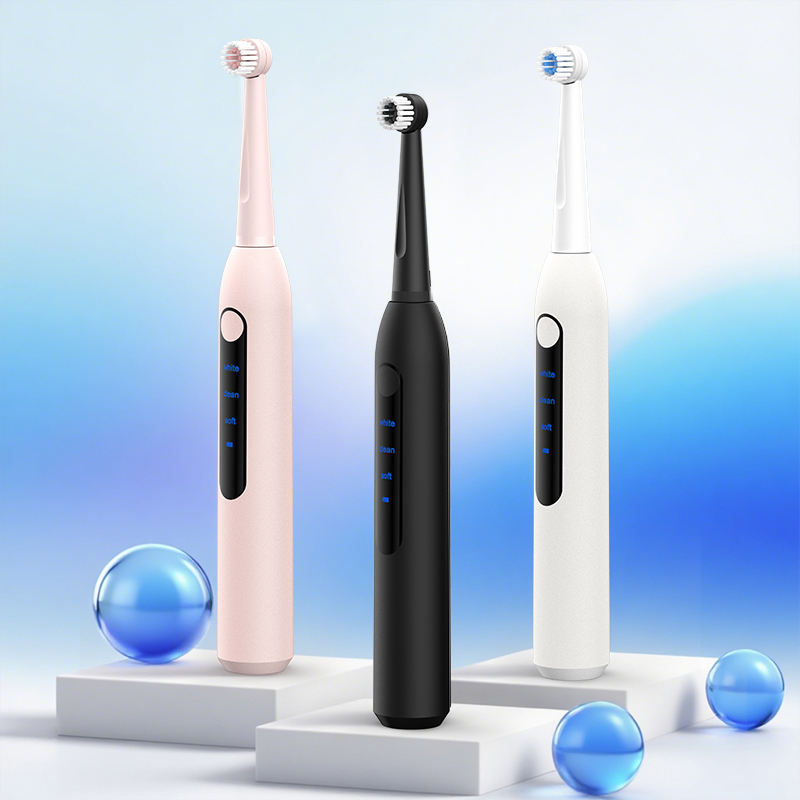
Gum health is a cornerstone of comprehensive oral hygiene, yet many individuals struggle to maintain optimal gingival condition despite regular brushing habits. The emergence of the electric toothbrush has transformed dental care by offering advanced cleaning mechanisms specifically designed to protect and nurture gum tissue. An electric toothbrush delivers consistent, controlled motion that minimizes gum irritation while maximizing plaque removal along the gumline, where bacterial accumulation most threatens periodontal health. For those seeking to elevate their oral care regimen, understanding why an electric toothbrush outperforms manual brushing for gum care becomes essential.
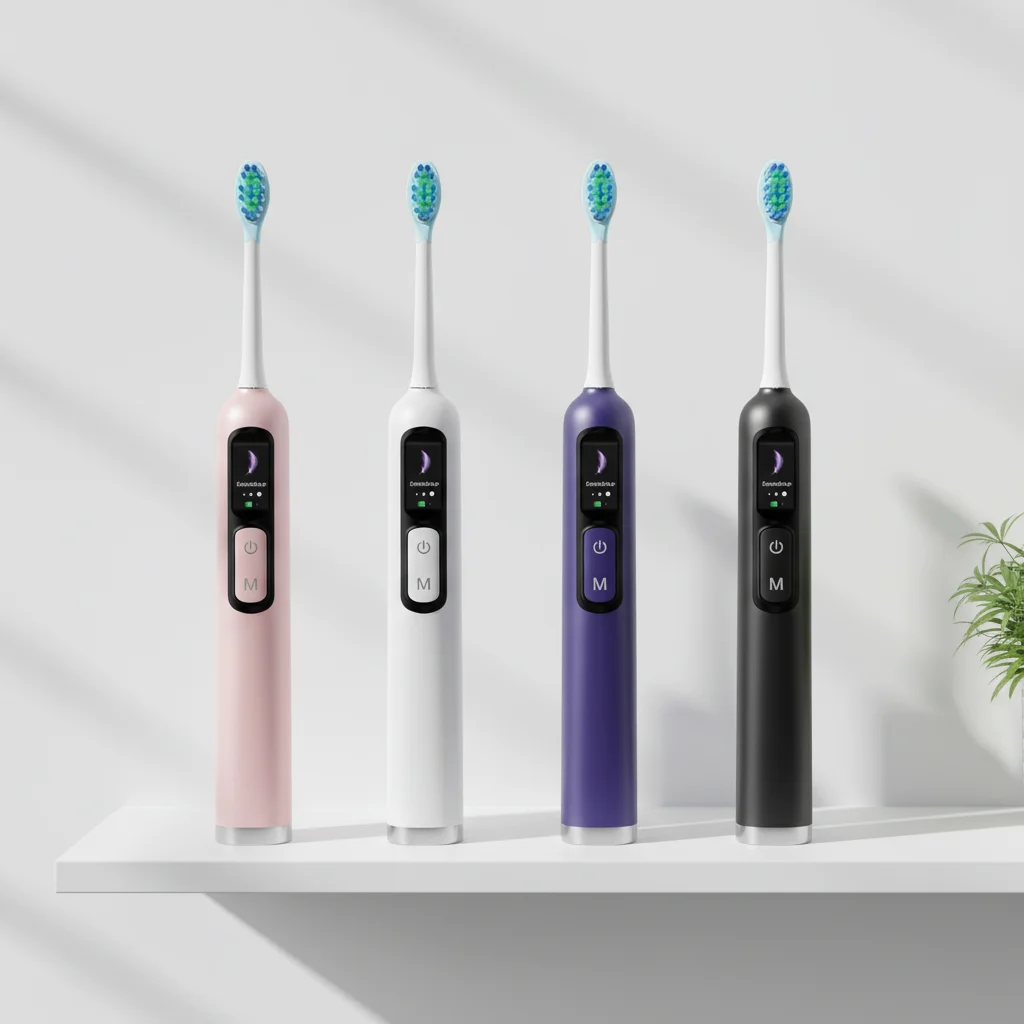
The relationship between brushing technique and gum health cannot be overstated. Manual brushing often involves excessive pressure and inconsistent angles that damage delicate gum tissue over time. An electric toothbrush addresses these limitations through engineered bristle movement patterns and built-in pressure sensors that prevent harmful scrubbing. This technology-driven approach ensures that each brushing session contributes positively to gum integrity rather than inadvertently causing recession or inflammation. The following analysis explores the specific mechanisms through which an electric toothbrush provides superior gum care outcomes.
Superior Plaque Removal Along the Gumline
Precision Cleaning in Critical Zones
The gumline represents the most vulnerable area for plaque accumulation, serving as the primary battleground between oral hygiene and periodontal disease. An electric toothbrush excels in this critical zone through high-frequency bristle oscillation that dislodges bacterial biofilm more effectively than manual sweeping motions. Clinical studies demonstrate that an electric toothbrush removes up to 21 percent more plaque than manual alternatives, with the most significant improvements occurring at the gum margin where gingivitis typically originates. The sonic vibrations generated by an electric toothbrush create fluid dynamics that sweep debris away from gingival pockets without requiring excessive physical contact.
Consistent Cleaning Action Reduces Human Error
Manual brushing effectiveness depends heavily on user technique, which varies significantly across individuals and even between brushing sessions. An electric toothbrush standardizes the cleaning action, delivering the same high-quality motion regardless of user skill level or morning fatigue. This consistency proves particularly valuable for gum care, where irregular cleaning patterns leave vulnerable areas exposed to bacterial colonization. The automated movement of an electric toothbrush ensures comprehensive coverage of all gum surfaces during each two-minute brushing cycle, establishing reliable protection against periodontal threats.
Gentle Yet Effective Gum Stimulation
Pressure Control Technology Prevents Damage
Excessive brushing pressure ranks among the leading causes of gum recession and enamel wear, yet most manual brushers apply force levels that exceed clinical recommendations. An electric toothbrush incorporates pressure sensors that alert users when they press too firmly against gum tissue, promoting appropriate contact levels that clean effectively without causing trauma. This feedback mechanism retrains brushing behavior over time, helping users develop gentler habits that preserve long-term gum health. The pressure monitoring feature makes an electric toothbrush particularly valuable for individuals with sensitive gums or those recovering from periodontal procedures.
Massage Effect Promotes Circulation
Beyond plaque removal, an electric toothbrush provides therapeutic gum massage through its oscillating or pulsating bristle movement. This gentle stimulation increases blood flow to gingival tissue, delivering oxygen and nutrients essential for tissue repair and immune defense. The massage action helps maintain gum firmness and resilience while reducing inflammation associated with early-stage gingivitis. Regular use of an electric toothbrush thus offers both preventive and restorative benefits for gum tissue, supporting overall periodontal wellness through enhanced circulation.
Built-In Features That Support Comprehensive Gum Care
Timers Ensure Adequate Cleaning Duration
Dental professionals recommend two minutes of brushing to achieve thorough plaque removal, yet most manual brushers fall short of this target by 30 to 60 seconds. An electric toothbrush includes integrated timers that track brushing duration and often provide quadrant pacing signals to ensure equal attention across all mouth areas. This timing guidance proves especially important for gum care, as rushed brushing leaves bacterial deposits along the gumline that quickly mature into irritating plaque. The structured timing provided by an electric toothbrush transforms brushing from a rushed routine into a deliberate gum-protecting practice.
Multiple Cleaning Modes Address Specific Needs
Modern electric toothbrush designs offer specialized cleaning modes tailored to different oral health requirements, including dedicated settings for sensitive gums and gum care. These modes adjust brush head speed and oscillation patterns to optimize cleaning effectiveness while minimizing tissue irritation. Users experiencing gum inflammation can select gentler modes during acute phases, then transition to standard cleaning as tissue health improves. This adaptability makes an electric toothbrush suitable across the full spectrum of gum conditions, from healthy maintenance to therapeutic intervention.
Replacement Reminders Maintain Optimal Performance
Worn bristles lose cleaning effectiveness and can harbor bacteria that threaten gum health, yet many users neglect timely brush head replacement. An electric toothbrush addresses this issue through indicator systems that signal when bristles require changing, typically every three months. This proactive reminder system ensures that gum cleaning always benefits from fresh, properly aligned bristles rather than degraded fibers that miss plaque deposits. The structured maintenance approach supported by an electric toothbrush contributes to consistent long-term gum care outcomes.
FAQ
Can an electric toothbrush reverse existing gum disease?
An electric toothbrush significantly improves plaque control and reduces gingival inflammation, which can halt the progression of early-stage gingivitis and support tissue recovery. For established periodontitis involving bone loss, an electric toothbrush serves as an essential maintenance tool following professional treatment but cannot independently reverse structural damage. Optimal outcomes require combining electric toothbrush use with professional cleanings and, when necessary, periodontal therapy to address deep pocket infections.
How does electric toothbrush performance differ across gum sensitivity levels?
An electric toothbrush accommodates varying gum sensitivity through adjustable speed settings and specialized brush head designs featuring softer bristles. Individuals with highly sensitive gums benefit most from electric toothbrush models offering gentle or sensitive modes that reduce oscillation intensity while maintaining effective cleaning. The pressure sensing feature proves particularly valuable for sensitive gums, preventing inadvertent tissue trauma that manual brushing often causes despite careful intentions.
What makes an electric toothbrush more effective than improved manual brushing technique?
Even with perfect manual technique, an electric toothbrush delivers superior gum care through movement speeds impossible to replicate by hand, typically generating 30,000 to 40,000 brush strokes per minute compared to roughly 300 manual strokes. This velocity difference creates enhanced plaque disruption and fluid dynamics that flush debris from gingival margins more thoroughly. Additionally, an electric toothbrush maintains consistent cleaning quality throughout the brushing session, whereas manual effectiveness naturally declines as hand fatigue develops.