
 EN



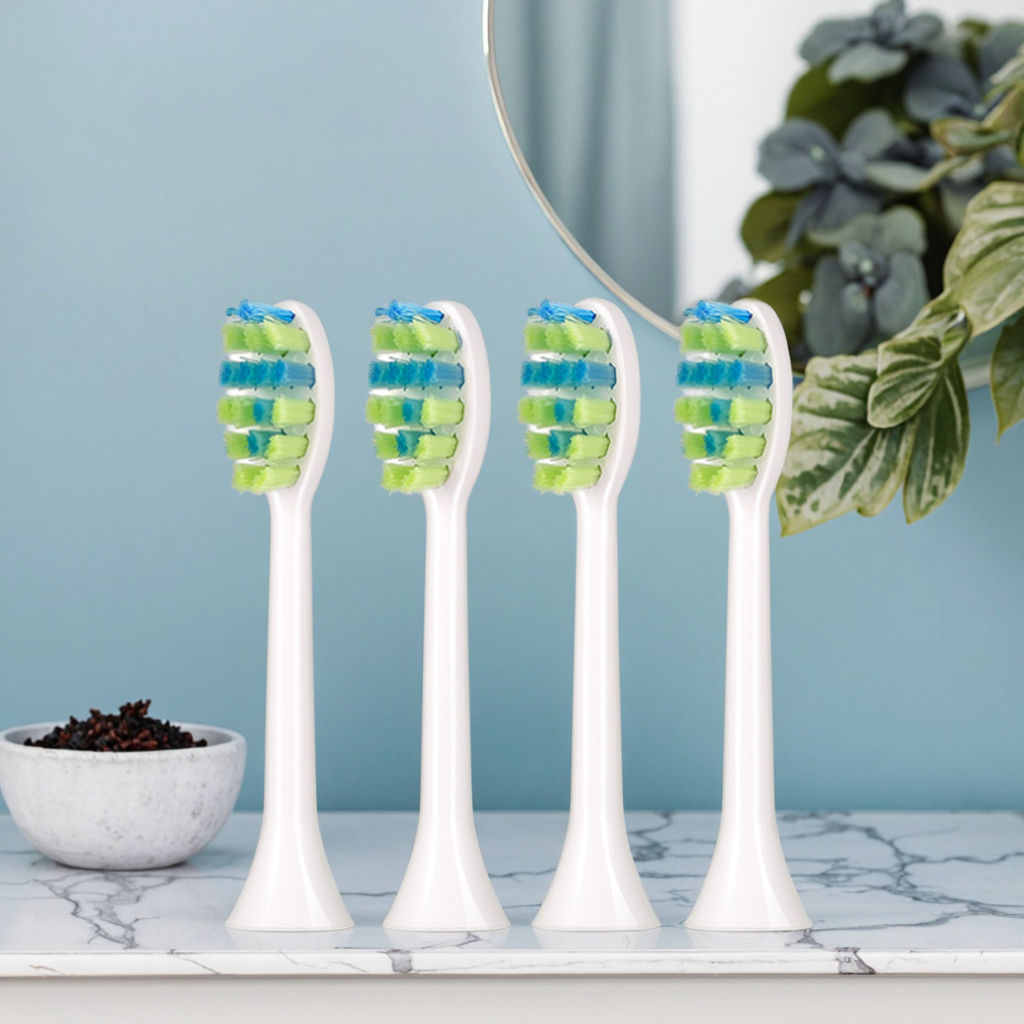
The manufacturing of electric toothbrush heads demands rigorous adherence to multiple quality standards that directly impact consumer safety, product performance, and brand reputation. In today's highly competitive oral care market, manufacturers must navigate complex regulatory frameworks, material specifications, and functional performance benchmarks to ensure their electric toothbrush heads meet or exceed customer expectations and legal requirements.

Manufacturing electric toothbrush heads involves precision engineering, material science, and quality control processes that go far beyond basic assembly. Every component, from the bristle tufts to the connecting stem, must meet specific standards to ensure durability, effectiveness, and safety for end users worldwide.
Regulatory Compliance Standards for Electric Toothbrush Heads
International Safety and Performance Certifications
Electric toothbrush heads must comply with internationally recognized standards such as ISO 20127, which establishes safety and performance requirements for electric toothbrushes and replacement heads. This standard covers electrical safety, mechanical hazards, labeling, and performance characteristics that electric toothbrush heads must demonstrate. Manufacturers producing electric toothbrush heads for global markets must obtain certifications from notified bodies and undergo regular audits to maintain compliance.
The FDA in the United States classifies electric toothbrush heads as Class II medical devices, requiring manufacturers to follow Good Manufacturing Practice (GMP) guidelines. Electric toothbrush heads destined for the U.S. market must include proper labeling, biocompatibility testing, and documentation of safety and effectiveness data. Compliance with these regulatory pathways is non-negotiable for any manufacturer seeking market access.
Regional Quality Requirements and Testing Protocols
Different regions impose varying quality standards for electric toothbrush heads. The European Union requires that electric toothbrush heads meet the Medical Device Regulation (MDR) requirements, including post-market surveillance and risk analysis documentation. China, Japan, and other major markets have their own specific testing and certification requirements that electric toothbrush heads must satisfy before distribution.
Testing protocols for electric toothbrush heads typically include vibration frequency verification, bristle durability assessments, connector integrity checks, and electrical safety evaluations. Manufacturers must maintain documentation demonstrating that their electric toothbrush heads consistently meet these standards across production batches.
Material and Component Quality Standards for Electric Toothbrush Heads
Bristle Selection and Performance Specifications
The bristle material used in electric toothbrush heads directly affects cleaning effectiveness and user safety. Industry standards require that bristles be made from food-grade nylon or similar biocompatible polymers that resist bacterial growth and maintain structural integrity through hundreds of brush cycles. Electric toothbrush heads must meet specific bristle diameter, length, and stiffness requirements to balance cleaning power with gum safety.
Quality electric toothbrush heads undergo bristle shedding tests to ensure bristles remain firmly anchored to the head structure. The bristle tuft configuration, including the number of tufts and their spacing, must conform to specifications that optimize plaque removal while minimizing abrasion to tooth enamel and gum tissue. Manufacturers monitor bristle quality through sampling and testing protocols that verify consistency across production runs.
Connector and Housing Material Standards
Electric toothbrush heads require durable, moisture-resistant connector systems that safely interface with the handheld motor unit. The materials used in electric toothbrush heads connectors must withstand daily exposure to water, saliva, and cleaning agents without corrosion or mechanical degradation. Stainless steel, reinforced polycarbonate, and specialized engineering polymers are common choices for electric toothbrush heads connector components.
The housing of electric toothbrush heads must meet biocompatibility standards established by ISO 10993, ensuring that all materials contacting the oral cavity are non-toxic and non-allergenic. Electric toothbrush heads undergo cytotoxicity, sensitization, and irritation testing to confirm material safety. Color additives, coating resins, and adhesives used in electric toothbrush heads manufacturing must be food-grade or medical-grade to comply with quality standards.
Performance Metrics and Durability Requirements for Electric Toothbrush Heads
Cleaning Efficacy and Wear Testing
Electric toothbrush heads must demonstrate consistent cleaning performance over their intended lifespan, typically three months of normal use. Manufacturers test electric toothbrush heads using standardized plaque removal protocols and abrasion resistance benchmarks. The bristles in quality electric toothbrush heads must maintain their structural integrity and cleaning capability through simulated brushing cycles that exceed typical user consumption patterns.
Wear testing for electric toothbrush heads involves mechanical testing apparatus that replicates human brushing motions and pressures. Electric toothbrush heads are evaluated for bristle fraying, tuft separation, and connector loosening after extended use cycles. Quality standards require that electric toothbrush heads show minimal wear characteristics that would compromise performance or pose safety risks.
Safety and Functional Integration Standards
Electric toothbrush heads must interface safely and reliably with compatible handheld units without electrical hazards or mechanical failures. The connector design and fitment tolerances in electric toothbrush heads are strictly controlled to prevent water ingress, loose connections, or accidental detachment during use. Quality standards mandate that electric toothbrush heads remain securely attached even under excessive force or accidental drops.
Electrical safety testing of electric toothbrush heads includes insulation resistance checks, leakage current measurements, and continuity verification. Manufacturers must ensure that electric toothbrush heads present no electrical hazards to users with pacemakers or other electronic medical devices. These safety requirements form the foundation of quality assurance programs for professional electric toothbrush heads manufacturers.
FAQ
What specific standards must electric toothbrush heads meet for FDA approval?
Electric toothbrush heads require FDA Class II medical device classification and must comply with the Code of Federal Regulations (CFR) Title 21. Manufacturers must submit 510(k) premarket notifications demonstrating substantial equivalence to predicate devices, provide biocompatibility data, and follow Current Good Manufacturing Practice (CGMP) guidelines. The electric toothbrush heads must also include proper labeling with usage instructions, safety warnings, and replacement frequency recommendations.
How do manufacturers test the durability of electric toothbrush heads bristles?
Bristle durability testing for electric toothbrush heads involves mechanical simulation equipment that replicates thousands of brushing cycles exceeding typical three-month usage patterns. The electric toothbrush heads are subjected to controlled brushing motions with standardized pressure levels against artificial tooth models. Manufacturers inspect electric toothbrush heads for bristle fraying, loss of bristles, tuft separation, and changes in cleaning performance after accelerated wear testing.
Are there different quality standards for electric toothbrush heads sold in different regions?
Yes, electric toothbrush heads must comply with regional regulations including ISO 20127 for international markets, EU Medical Device Regulation for European distribution, and FDA requirements for the United States. China, Japan, and other countries maintain their own specific testing and certification requirements for electric toothbrush heads. Manufacturers typically develop electric toothbrush heads designed to meet the most stringent applicable standards to facilitate global market access.