
 EN



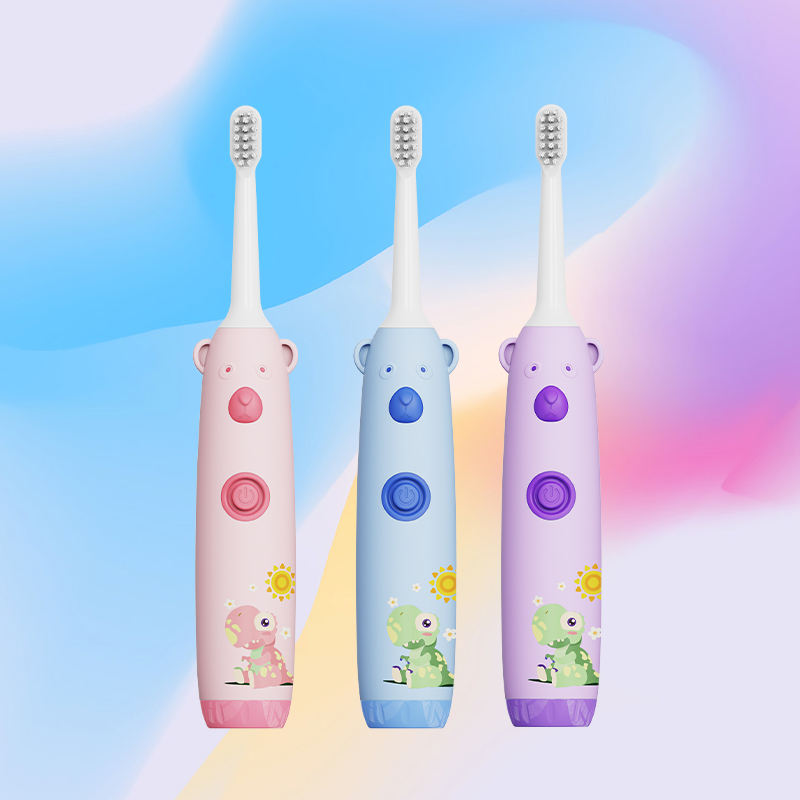
Modern oral hygiene has evolved beyond manual brushing techniques into an era where technology actively supports healthier habits. An electric toothbrush represents a fundamental shift in how individuals approach daily dental care by integrating intelligent features that monitor, guide, and optimize cleaning effectiveness. Unlike traditional manual brushes that rely entirely on user technique, an electric toothbrush delivers consistent brush head movements while incorporating sensors and timers that help users maintain proper brushing duration and pressure. This technological foundation transforms routine oral care into a data-informed practice where users receive real-time feedback on their brushing habits, making it easier to identify areas requiring improvement and maintain optimal gum health over time.
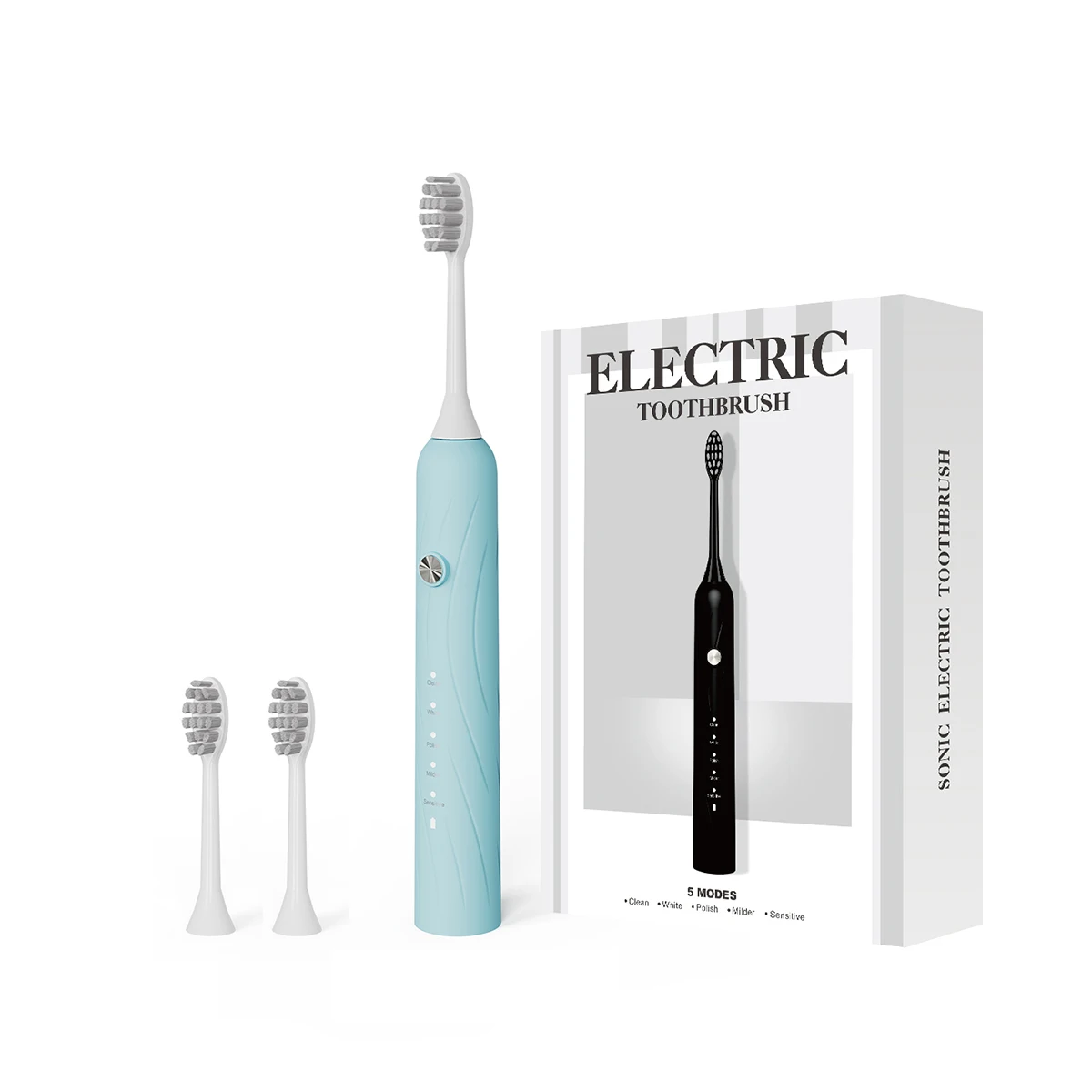
The question of how an electric toothbrush contributes to smarter daily dental care centers on understanding the specific mechanisms that differentiate powered devices from manual alternatives. An electric toothbrush employs oscillating, rotating, or sonic vibration patterns that generate thousands of brush strokes per minute, far exceeding what manual brushing can achieve. This mechanical advantage ensures more thorough plaque removal along the gumline and between teeth, where decay commonly begins. Beyond raw cleaning power, many electric toothbrush models now feature pressure sensors that alert users when they apply excessive force, preventing enamel erosion and gum recession. Built-in timers segment brushing sessions into quadrants, ensuring equal attention to all mouth areas and encouraging the dentist-recommended two-minute duration. These automated guidance systems reduce human error and inconsistency, addressing the primary limitations that compromise manual brushing effectiveness.
Intelligent Features That Enhance Brushing Precision
Pressure Sensing Technology for Gum Protection
One of the most valuable contributions an electric toothbrush makes to smarter dental care lies in its ability to detect and correct excessive brushing force. Many users unknowingly press too hard during manual brushing, a habit that gradually wears down tooth enamel and causes gum tissue to recede. An electric toothbrush equipped with pressure sensors monitors applied force in real time and provides immediate feedback through LED indicators, vibration changes, or audible alerts when users exceed safe thresholds. This protective mechanism trains users to adopt gentler brushing techniques while maintaining cleaning efficacy through the device's powered motion. Over weeks of consistent use, individuals develop muscle memory for appropriate pressure levels, reducing long-term risk of self-inflicted dental damage. The pressure monitoring function effectively serves as a personal dental coach, offering correction without requiring professional supervision during every brushing session.
Customizable Cleaning Modes for Diverse Oral Needs
An electric toothbrush typically offers multiple operational modes tailored to specific oral health conditions and user preferences. Standard cleaning modes deliver full-power vibration suitable for daily plaque removal, while sensitive modes reduce intensity for individuals with tender gums or recovering from dental procedures. Whitening modes often combine standard cleaning with polishing action to address surface stains, and gum care modes focus on gentle massage to improve circulation and tissue health. This mode variety allows a single electric toothbrush to adapt across different family members or changing oral health needs without requiring separate devices. Users experiencing temporary sensitivity after dental work can switch to gentler settings, then return to standard modes once healing completes. The ability to personalize cleaning intensity and focus areas makes an electric toothbrush more versatile than manual brushes, which offer no adjustability beyond user technique modification.
Data-Driven Oral Hygiene Through Connected Technology
Smartphone Integration for Brushing Analytics
Advanced electric toothbrush models now connect to smartphone applications via Bluetooth, transforming routine brushing into a trackable health metric. These apps record brushing duration, frequency, coverage patterns, and pressure incidents, generating visual reports that reveal neglected mouth areas and consistency trends over time. An electric toothbrush with connectivity capabilities allows users to review their weekly or monthly brushing behavior, identifying specific zones that consistently receive inadequate attention. Some applications provide coaching through augmented reality interfaces that guide brush positioning in real time, ensuring users follow proper technique during each session. This data collection creates accountability similar to fitness tracking, where visible progress metrics encourage sustained habit improvement. Dental professionals can also access this information during checkups, using brushing data to provide targeted hygiene advice based on actual behavior rather than patient self-reporting, which often proves inaccurate.
Habit Formation Through Consistent Feedback Loops
The structured feedback an electric toothbrush provides establishes positive reinforcement mechanisms that strengthen daily oral care routines. Quadrant timers that pulse every thirty seconds train users to distribute brushing time evenly across upper left, upper right, lower left, and lower right mouth sections. This systematic approach eliminates the common problem of focusing excessively on front teeth while neglecting molars and rear surfaces. An electric toothbrush that signals session completion after two minutes removes guesswork about adequate brushing duration, replacing subjective time estimation with objective measurement. These repetitive cues gradually automate proper technique through classical conditioning, where auditory or tactile signals become associated with correct behavior. Over time, users internalize these patterns and maintain thorough brushing even without active attention to timer prompts, demonstrating how technological aids can permanently improve manual hygiene practices.
Long-Term Oral Health Outcomes and Preventive Benefits
Plaque Reduction and Gingivitis Prevention
Clinical research consistently demonstrates that an electric toothbrush removes significantly more plaque than manual brushing when used correctly. The rapid oscillation or sonic vibration generated by powered brush heads disrupts bacterial biofilm more effectively, particularly in hard-to-reach interdental spaces and along the gumline where plaque accumulation triggers gingivitis. Users who switch from manual to electric toothbrush technology often experience measurable gum health improvements within weeks, including reduced bleeding during brushing and less inflammation. This enhanced plaque control translates to lower cavity incidence over months and years, as consistent bacterial removal prevents acid production that erodes enamel. An electric toothbrush essentially multiplies the effectiveness of each brushing session, allowing users to achieve professional-level cleaning results at home. For individuals with dexterity limitations, arthritis, or orthodontic appliances that complicate manual brushing, powered devices provide accessibility that manual brushes cannot match, ensuring vulnerable populations maintain adequate oral hygiene despite physical challenges.
Supporting Professional Dental Treatment Plans
Dentists increasingly recommend an electric toothbrush as part of comprehensive treatment plans for patients managing periodontal disease, post-surgical recovery, or orthodontic adjustments. The controlled cleaning action and adjustable intensity settings make powered brushes ideal for sensitive periods when manual brushing might cause discomfort or interfere with healing. Patients undergoing gum therapy benefit from the gentle yet thorough cleaning an electric toothbrush provides, maintaining oral cleanliness without aggravating inflamed tissue. Orthodontic patients wearing braces face elevated plaque buildup risk due to bracket and wire surfaces that trap food particles, making the superior cleaning power of an electric toothbrush particularly valuable for preventing white spot lesions and decalcification during treatment. By aligning home care tools with professional recommendations, an electric toothbrush becomes an extension of clinical care rather than merely a consumer product, bridging the gap between dental office visits and daily maintenance.
FAQ
How does an electric toothbrush improve brushing technique compared to manual methods?
An electric toothbrush automates the brushing motion, delivering consistent stroke patterns that remove plaque more efficiently than hand movement. Built-in timers ensure adequate brushing duration across all mouth quadrants, while pressure sensors prevent excessive force that damages enamel and gums. These features compensate for common manual brushing errors like insufficient time, uneven coverage, and improper pressure, resulting in more effective daily cleaning with less user effort and technique dependency.
Can an electric toothbrush help users with limited mobility maintain oral hygiene?
Yes, an electric toothbrush significantly benefits individuals with arthritis, reduced grip strength, or coordination challenges. The powered brush head performs the cleaning motion automatically, requiring only that users guide the device along tooth surfaces rather than execute complex wrist movements. Larger handle designs and ergonomic grips further enhance usability for those with dexterity limitations, making thorough oral care accessible to populations who struggle with manual brushing techniques.
What makes an electric toothbrush more effective at preventing gum disease than traditional brushing?
An electric toothbrush generates thousands of brush strokes per minute through oscillation or sonic vibration, disrupting bacterial plaque along the gumline more thoroughly than manual brushing. This enhanced plaque removal directly reduces gingivitis risk by preventing bacterial accumulation that triggers gum inflammation. Specialized gum care modes on many electric toothbrush models provide gentle massage action that improves blood circulation in gum tissue, supporting overall periodontal health through both mechanical cleaning and therapeutic stimulation.