
 EN



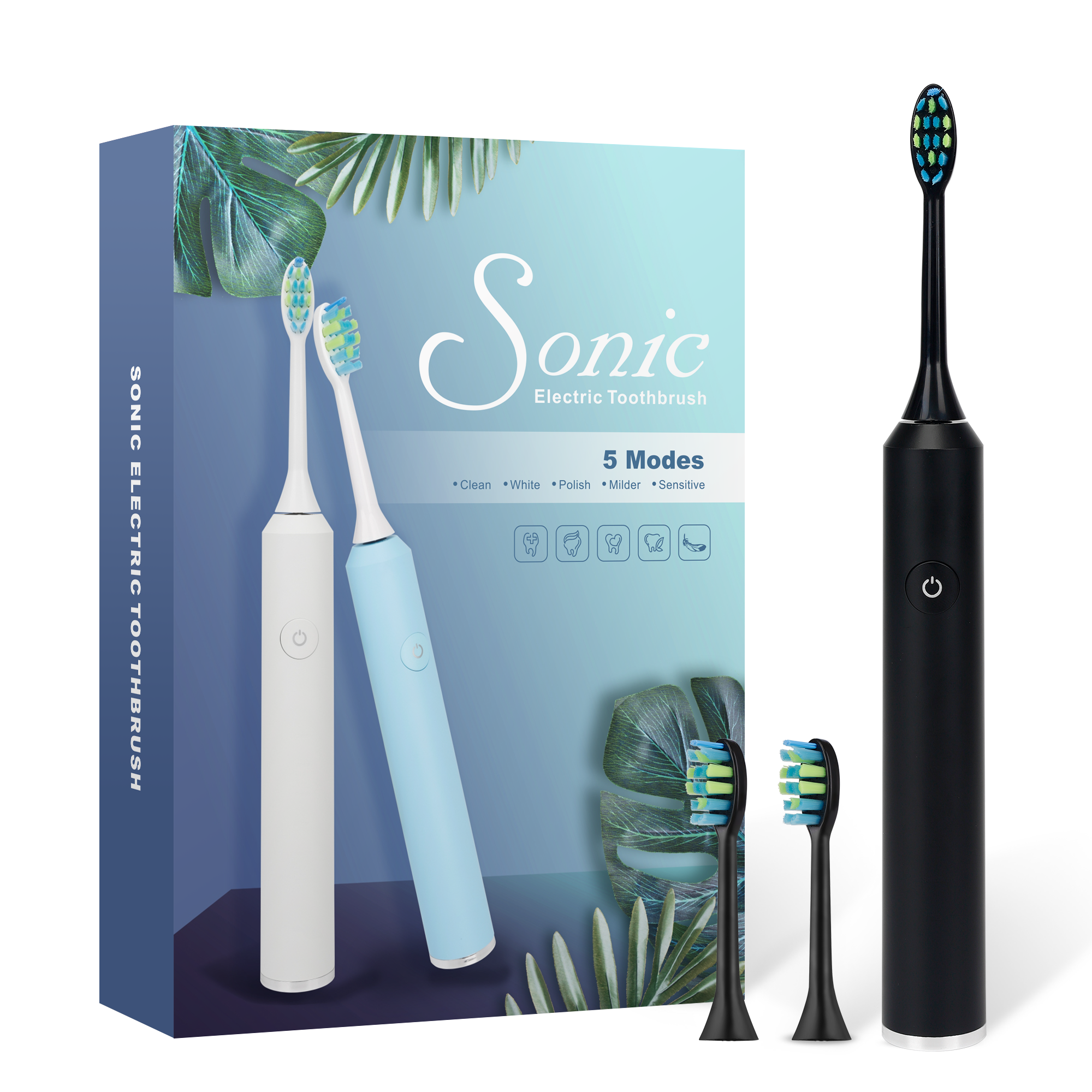
An electric toothbrush is no longer a luxury item — it has become an essential tool for people who want cleaner teeth and healthier gums. Unlike a manual brush, an electric toothbrush delivers rapid, consistent bristle motion that targets areas the hand simply cannot reach with enough precision. If you have ever wondered why your dentist recommends switching, the answer lies in how the electric toothbrush physically works to dislodge plaque in the tightest corners of the mouth.
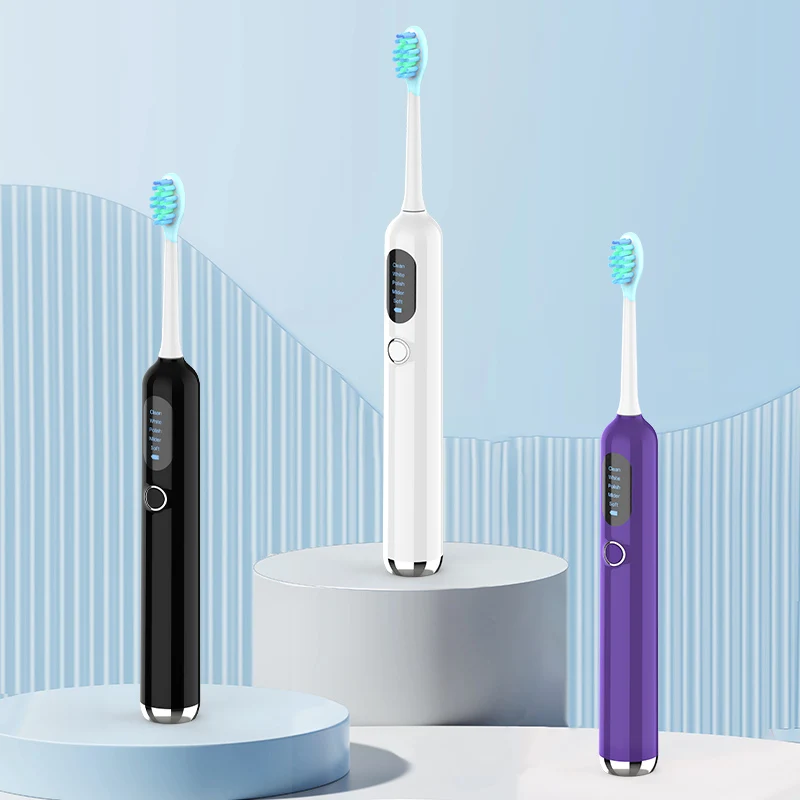
The design of a modern electric toothbrush is built specifically around the challenge of reaching back molars, the gum line, and the tight gaps between teeth. Each component — from bristle density to oscillation speed — contributes to a more thorough clean. Understanding exactly how the electric toothbrush achieves this level of performance helps consumers make smarter choices for their daily oral care routine.
The Mechanics Behind an Electric Toothbrush
Oscillation, Rotation, and Sonic Vibration
At the core of every electric toothbrush is a motorized head that moves in ways no human wrist can replicate. Some models use an oscillating-rotating motion, spinning the head in small circles to break up plaque on each tooth surface. Others rely on sonic vibration technology, where the electric toothbrush head vibrates at thousands of strokes per minute, creating fluid dynamics that push cleaning action beyond direct bristle contact.
This fluid dynamic effect is especially important for hard-to-reach areas. When an electric toothbrush vibrates at sonic frequency, it causes the saliva and toothpaste mixture around the bristles to move aggressively, reaching into spaces where bristles cannot physically touch. Back molars, the inner surfaces of lower front teeth, and the far corners of the jaw all benefit from this mechanism. A manual brush simply cannot generate this kind of cleaning energy without exceptional technique that most people never develop.
Brush Head Shape and Bristle Arrangement
The compact, rounded head of a typical electric toothbrush is deliberately engineered for tight oral spaces. Because the head is smaller than a standard manual toothbrush, it maneuvers more easily around the back of the mouth. The bristle arrangement on an electric toothbrush is also optimized — softer inner bristles clean tooth surfaces while firmer outer bristles sweep along the gum line simultaneously. This dual-action coverage makes the electric toothbrush far more effective than a flat brush design when navigating crowded teeth or narrow arches.
Cleaning Modes That Adapt to Difficult Zones
Multiple Cleaning Modes for Targeted Results
A high-quality electric toothbrush often includes multiple cleaning modes, each designed for a specific oral condition. A standard 'clean' mode provides everyday plaque removal across all tooth surfaces. A 'sensitive' mode reduces vibration intensity, making it safe for exposed roots or post-treatment areas that are difficult to brush without causing pain. A 'gum care' mode focuses bristle energy along the gum line, which is one of the most neglected and hardest-to-reach zones in the mouth.
Some models also include a 'whitening' mode or a 'deep clean' mode that increases stroke frequency to target heavy staining, especially on the back molars where coffee and tea deposits tend to accumulate. The ability to switch modes means the electric toothbrush can be adapted to the specific anatomy and needs of each user. A one-size-fits-all brushing approach rarely produces thorough results, and mode flexibility is one of the key advantages that the electric toothbrush brings to everyday cleaning.
The 30-Second Zone Change Reminder
One of the most practical features found on a modern electric toothbrush is the built-in zone change reminder. Every 30 seconds, the electric toothbrush sends a brief pause or signal to prompt the user to move to a different quadrant of the mouth. This ensures that back teeth and inner surfaces receive the same attention as the more visible front teeth. Without this guidance, most people spend far too long on the front teeth and rush through the molars, leaving hard-to-reach areas insufficiently cleaned.
The zone timer transforms the electric toothbrush from a passive cleaning device into an active coaching tool. Over time, users develop better brushing habits and a more complete mental map of their own mouth. This consistency is what ultimately makes the electric toothbrush effective not just in one session but as a long-term oral health investment.
Waterproof Design and Daily Usability
IPX7 Waterproofing and Hygienic Use
An electric toothbrush rated at IPX7 waterproofing can be fully submerged in water, which makes it safe and easy to rinse under a running tap. This matters more than it may seem. Thorough rinsing of the electric toothbrush after each use prevents toothpaste residue and bacteria from building up inside the brush head, which would otherwise compromise cleaning performance over time. A properly sealed electric toothbrush also reduces the risk of motor damage from steam or humidity in bathroom environments.
For users who brush in the shower or near a sink, the IPX7 electric toothbrush offers peace of mind. The electric toothbrush remains reliable session after session, which matters for people who rely on consistent performance to manage plaque in difficult zones like deep gum pockets or around dental work such as crowns and implants.
Long-Term Consistency as a Cleaning Advantage
The best electric toothbrush is the one a person actually uses correctly every day. The combination of precise vibration, ergonomic design, smart timers, and durable waterproofing makes the electric toothbrush easier to use properly than a manual brush. When the electric toothbrush is comfortable to handle and requires less technique from the user, it naturally leads to more thorough cleaning of hard-to-reach areas over weeks and months.
FAQ
Can an electric toothbrush reach behind back molars effectively?
Yes. The compact head of an electric toothbrush is specifically sized to navigate behind back molars. The sonic vibration or oscillating motion of the electric toothbrush continues to clean even when direct bristle contact is limited, thanks to the fluid dynamics generated by rapid movement.
How many cleaning modes should a good electric toothbrush have?
A practical electric toothbrush should include at least three to five modes to cover everyday cleaning, sensitive care, and gum line maintenance. More modes give the electric toothbrush greater versatility, allowing users to match the brushing intensity to their current oral health needs.
Is an electric toothbrush suitable for people with braces or dental implants?
An electric toothbrush is generally well-suited for users with braces or implants, provided the correct mode is selected. The sensitive or gum care mode of the electric toothbrush reduces pressure on brackets and implant margins while still delivering effective cleaning action in hard-to-reach spaces around dental hardware.